The deployment by the numbers
680 cameras across its existing environment
150 cameras brought into Command in the first phase
60% of its initial 250-camera project complete
“With Verkada, we can centralize information in the C5, accelerate investigations, and begin anticipating situations instead of waiting for them to happen.”
— Luis Fernando Aragón García, Internal Audit Manager, Grupo Crío
Background
From a local poultry operation to a complex, distributed business
Founded in 1962, Grupo Crío has grown from an operation of just 500 hens into one of Mexico’s largest poultry and egg producers. Headquartered in Mérida, Yucatán, the company’s operations span breeding, hatcheries, grow-out, laying farms, processing plants, workshops, distribution, and other facilities across southeastern Mexico.
Today, Grupo Crío employs approximately 6,200 to 6,500 people across 15 to 20 farms, four plants, and additional operational sites. Its C5 command center also supports satellite tracking for a fleet of roughly 1,200 vehicles, giving the team a central source of information to support decision-making across the business.
Challenge
When every site had its own way of investigating incidents
As Grupo Crío grew, so did its video security footprint. Over time, the company built up an environment of approximately 680 cameras across its distributed operations.
But those cameras largely operated through separate, local DVR systems, and responsibility for reviewing footage was fragmented as well. Some cameras were managed by the Legal team. Others belonged to individual locations.
If an incident happened in Cancún, for example, an administrator there might need to access the local DVR and work through the footage themselves.
For an accident, theft, missing item, or other incident, investigators often had to manually search through hours of video to determine when — and sometimes how — something had happened.
“When something happened, you would go into the video and search through the entire day to figure out when it might have occurred,” Aragón García said.
Grupo Crío wanted a different model: bring video into its C5 so one team could oversee connected locations, investigate incidents, and provide useful information back to teams across the business.
As the C5 team put it, its role is ultimately about “centralizing information so that people can make informed decisions.”
Solution
Migrating to the cloud without a full rip-and-replace
For Grupo Crío, moving to a cloud-managed video security platform did not have to mean replacing hundreds of cameras all at once.
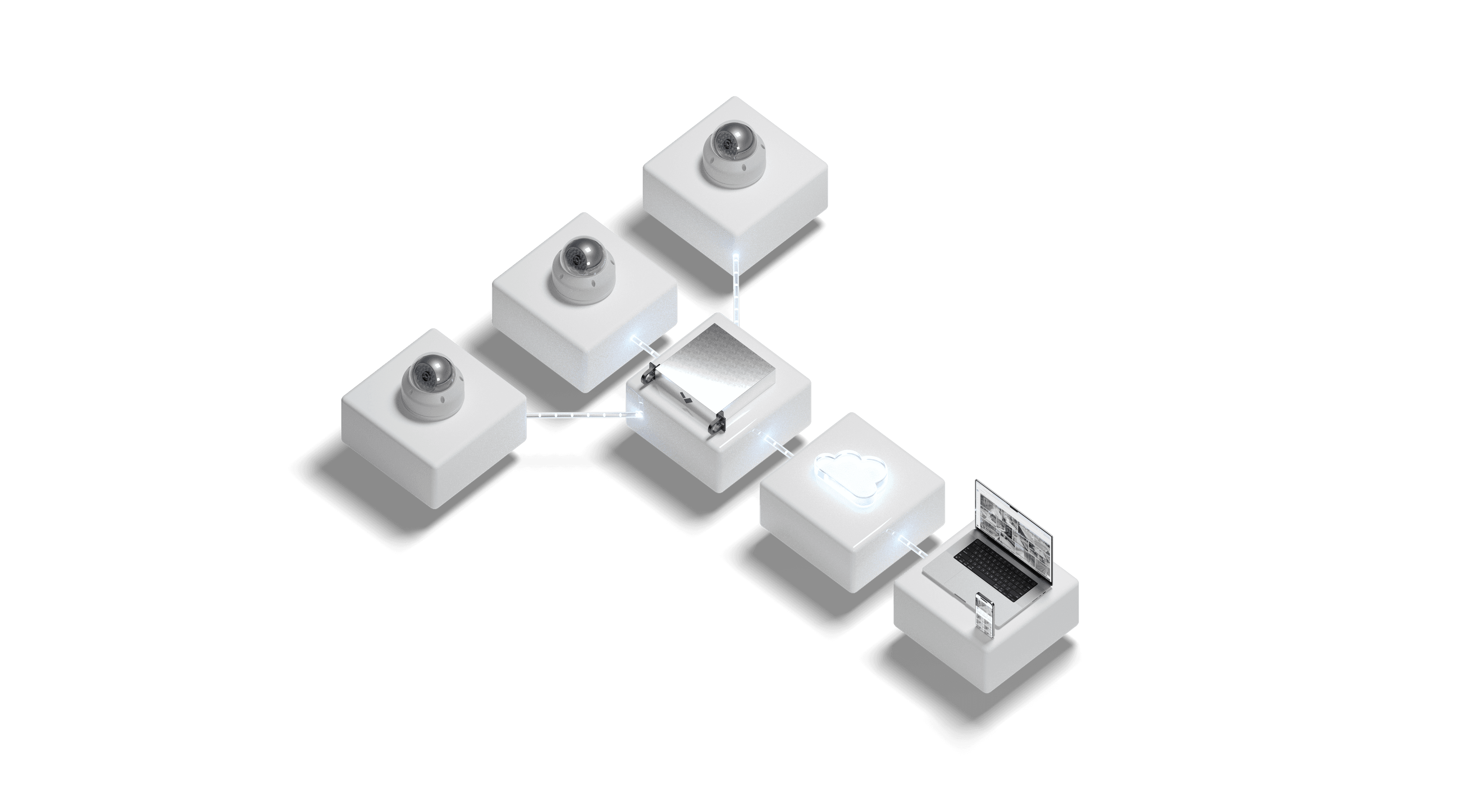
A complete rip-and-replace would have required significant investment in new cameras, cabling, installation, labor, and other infrastructure. Instead, Grupo Crío is taking a phased approach to its migration with Verkada Command Connector.
Command Connector brings compatible third-party cameras into Verkada’s cloud-managed Command platform, allowing Grupo Crío to begin centralizing and modernizing its existing environment while continuing to use infrastructure that still has value. From there, the company can transition to native Verkada cameras over time, moving toward a fully cloud-managed video security environment without requiring the entire change to happen at once.
For the cameras connected through Command Connector, Grupo Crío can also access many of the capabilities available in Command, including centralized management, video analytics, AI-powered search, and alerts.
“Making the investment required to completely replace all of the cameras or DVRs would have been a substantial expense. With Command Connector, we can optimize and take advantage of the resources we already have installed.”
Grupo Crío began with a 25-channel proof of concept. Once the team had validated the approach, it expanded with three 50-channel Command Connectors.
The next step was deciding which cameras to migrate into Command first.
Working with leaders across its plants, farms, and other locations, Grupo Crío mapped the areas where centralized visibility and AI could have the greatest impact. From its larger environment of 680 cameras, the team selected an initial 150.
Because the team had already worked through the proof of concept, scaling the deployment was relatively straightforward. The C5 team described bringing those 150 cameras into Command as an “agile and easy” process.
Over time, Grupo Crío plans to continue expanding its use of Command while introducing native Verkada cameras where it makes sense, giving the company a practical path from its existing DVR-based environment to a fully cloud-managed platform.
Results
Giving C5 a unified operating environment
Bringing video into Command has changed how Grupo Crío handles investigations. Previously, responsibility depended on where an incident happened: the team often had to contact the individual site, access its local DVR, and review footage there.
Now, for cameras connected to Command, the C5 can review footage and investigate from anywhere, without relying on each location to manage the process separately.

“Now the responsibility sits directly with the C5, where all of the information is centralized,” Aragón García said.
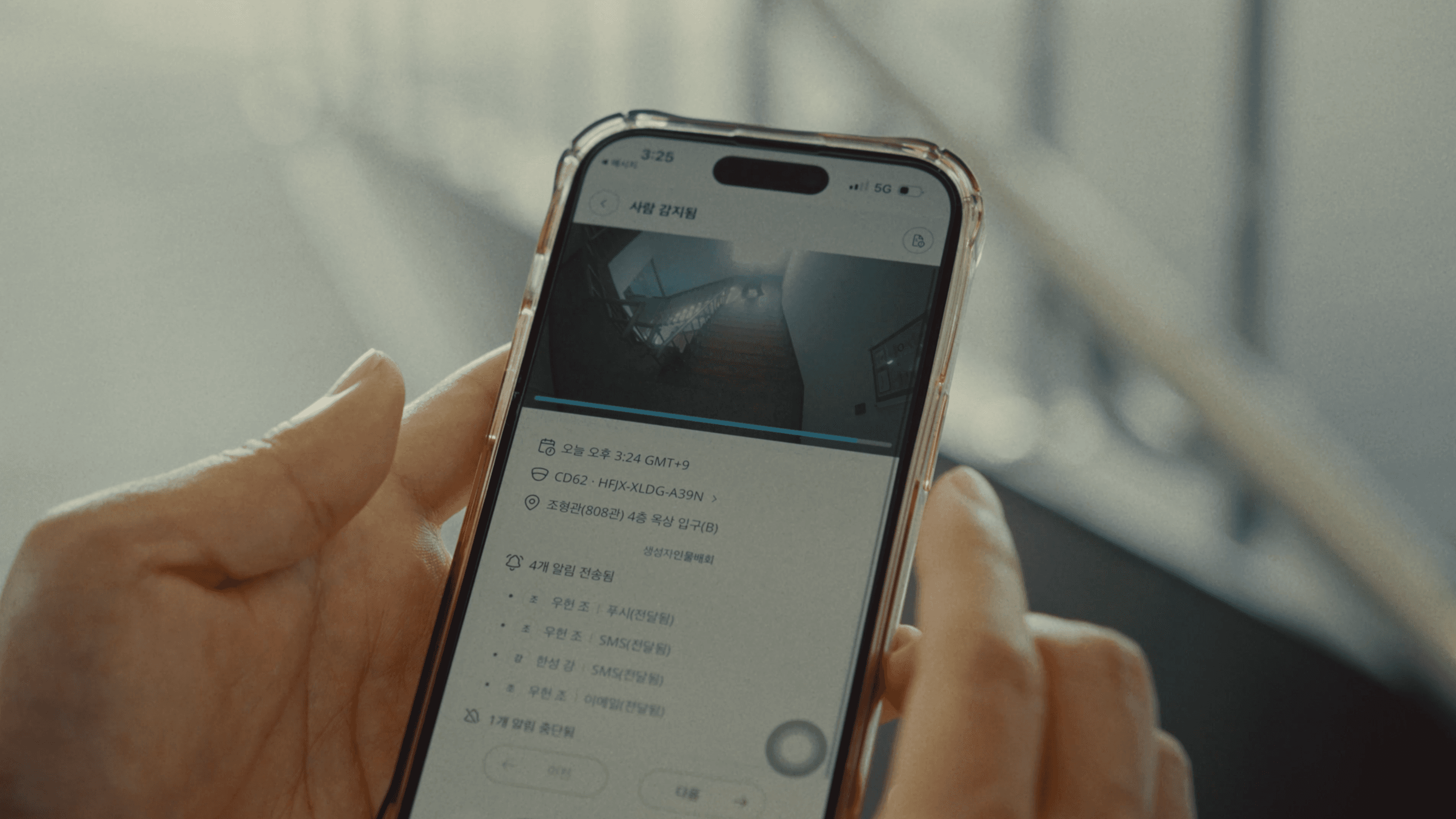
The shift is also helping Grupo Crío move from reactive investigations toward more proactive monitoring. Instead of waiting for a site to report an issue after the fact, the C5 can monitor activity across connected locations in Command. AI-powered alerts and alarms can surface events that may require attention, while the team’s ticketing and incident-management process helps ensure findings are documented and followed through.
Reconstructing a theft with limited information
One recent investigation showed the difference this could make.
A battery had been stolen from a vehicle at one of Grupo Crío’s distribution centers, but the C5 team had very little information to work with. They didn’t know exactly when the theft had happened, who was involved, or how the incident had unfolded. Without a clear starting point, the team could have been left manually reviewing six to eight hours of video.
Using Verkada, the C5 team was able to narrow down the relevant footage, reconstruct the sequence of events, and ultimately identify those responsible.
“The information we received was incomplete or somewhat inaccurate,” the C5 team said. “Through the investigation we did with Verkada, we were able to break down the information, see how the entire event started, and even identify those responsible.”
The investigation still required careful review, but Verkada helped the team determine where to start and piece together what had happened despite the limited information they initially received.
“Verkada helped us accelerate the process and clarify the situation,” the team said.
With cameras in Command, the C5 can use search and AI capabilities to narrow down footage when investigators have limited information to work with.

Expanding video into safety and operations
The C5 team is already exploring how video can support more than traditional security investigations.
Grupo Crío sees opportunities to use video to identify issues such as missing personal protective equipment and improper product handling, giving safety and operations teams another source of information to work from.
The deployment is still in its early stages. At the time of the interview, Command Connector had been in place for roughly two months, and the team was still refining how it wanted to use alerts, searches, and monitoring across the business.
“We’re still in the implementation process,” Aragón García said. “It has been useful for searches and identifying situations, but there’s still a lot more potential for us to unlock.”
Looking Ahead
A phased path to a more proactive, cloud-managed operation
Grupo Crío’s initial project focuses on 250 strategically selected cameras. With 150 already connected to Command, the company is approximately 60% of the way through that first phase.
Rather than replace all 680 cameras at once, the team is prioritizing the locations where cloud management and AI can deliver the most immediate value. Over time, Grupo Crío plans to expand its use of Command and introduce Verkada cameras as existing infrastructure is replaced or new coverage is added, moving toward a fully cloud-managed video security environment.
The C5 is also looking to get more proactive. The team is exploring AI-powered alerts for situations such as loitering and line crossing in areas where it has identified specific risks, helping operators focus their attention on activity that may require a response.
The goal is to identify potential issues earlier, rather than only reconstructing what happened after the fact.
“Once we have those configurations in place, we’ll begin anticipating situations rather than waiting for something to happen. That’s what we’re ultimately looking to accomplish.”
For Grupo Crío, that evolution will happen in stages: make better use of the cameras already in place today, migrate more of the environment into Command, and continue building toward a fully cloud-managed, more proactive security operation.