
At a glance
Footage retrieval and sharing reduced from about an hour to minutes
In one parking lot, reports of feeling unsafe or experiencing harassment dropped from about once per week to three reports in more than a year
Verkada Intercom helps manage after-hours visitor access and reduce the need to staff multiple entrances full-time
AI-powered search, Unified Timeline, and Person of Interest alerts support faster investigations, medication diversion reviews, and missing patient response
Fall detection can help Benefis expand real-time awareness around slip-and-fall events as newer camera models are deployed
Verkada Air Quality Sensors provide objective environmental data below emergency helipad operations
Serving Montana with care close to home
Benefis Health System is one of northcentral Montana’s most essential healthcare providers, serving approximately 230,000 residents across a vast 14-county region. Based in Great Falls, Benefis provides care through a broad network that includes inpatient hospital beds, outpatient clinics, long-term care and assisted living units, rural critical access hospitals, and community-based outreach services.
For Jaron Rogers, Access Control and Video Systems Administrator, protecting that environment means supporting safety across far more than cameras alone. His team helps maintain the systems that support safety and security across Benefis, including video security, access control, and nurse call. Day to day, that includes administering, troubleshooting, monitoring, and coordinating access or video reviews when incidents need to be investigated.
As Benefis continues expanding across Montana, the organization needed a security platform that could scale with its facilities, support faster investigations, and help staff feel safe — without compromising the open, welcoming experience patients and visitors expect from a healthcare environment.
With Verkada, Benefis has reduced footage retrieval and sharing from about an hour to minutes and brought video security, intercoms, sensors, and mobile workflows into one platform.
“Healthcare has to feel open and welcoming, but our staff, patients, and visitors still need to know their safety is a priority. Verkada helps us strike that balance,” Rogers said.
Expanding from video security to a unified safety platform
Benefis first deployed Verkada as a video security solution. The team wanted a system that was easier to use, easier to manage, and more unified than its previous environment. Today, Benefis has Verkada deployed across approximately 14 buildings, with use cases spanning cameras, intercoms, air quality sensors, Command mobile app workflows, Verkada Pass for security guards, AI-powered search, Unified Timeline, and Person of Interest alerts.
“Now we’ve added everything from intercoms to air quality sensors, and our security guards have Verkada on their phones. After-hours, visitors can press an intercom and reach security directly, which helps us keep entrances accessible without tying guards to a desk,” Rogers said.
For Rogers, the value is not just in adding new devices, but in bringing workflows together in one place.
“Everything is coming together more and more as we continue to use the platform,” he said.
Reducing footage retrieval from about an hour to minutes
In healthcare, investigations often involve time-sensitive questions: What happened? Who was involved? Where did someone go? How quickly can video be reviewed and shared?
Before Verkada, retrieving and sharing footage was a manual process. Benefis had to locate the right footage on an NVR, copy it, burn it to a disc, and coordinate pickup with local law enforcement.
“Before Verkada, sharing video meant going to the NVR, copying footage, burning a disc, and waiting for law enforcement to pick it up. Now we send a secure link with the footage and notes they need,” Rogers said.
The time savings have been significant.
“If you were quick back in the day, it would take about an hour if you knew exactly what time the footage needed to be saved,” Rogers said. “Now it’s minutes. Even finding the footage is substantially quicker than before.”
That speed is especially valuable when the exact time or path of an incident is unclear. Rogers uses AI-powered search to locate people across a large camera fleet, then uses Unified Timeline to understand where they appeared across the facility.
“With so many cameras, we need to find the right footage fast. AI-powered search and Unified Timeline let us start with a description or person of interest and quickly understand where someone appeared across the facility,” Rogers said.
In high-stakes scenarios like locating a missing patient, that can make a meaningful difference.
“If we have a missing patient, I can type in a general description and try to find that person as quickly as possible,” Rogers said.
Supporting medication diversion reviews with better visibility and access controls
Medication security is one of Benefis’ most important use cases. Pharmacies and medication storage areas require careful monitoring, limited access, and clear documentation when questions arise.
“For medication diversion reviews, documentation matters. Verkada helps us quickly understand who accessed sensitive areas, what happened, and what footage needs to be included in the review,” Rogers said.
With Verkada, Benefis can quickly review relevant footage, understand where a person went, and compile evidence when investigating activity near pharmacies or medication storage areas. The team can also control who has access to sensitive camera views.
“We’ve broken camera access down by role. Managers only see their units, while the pharmacy controls access to the medication room footage. That role-based approach helps us maintain visibility while reducing unnecessary access to sensitive areas.”
Helping staff feel safer in parking lots and across facilities
For Benefis, staff safety is a top priority — especially in parking lots where employees may arrive or leave outside standard daytime hours.
“Parking lots are high-priority security areas,” Rogers said. “We have a lot of parking lots and many employees who aren’t always working during the day, so they have to walk out to those lots at night.”
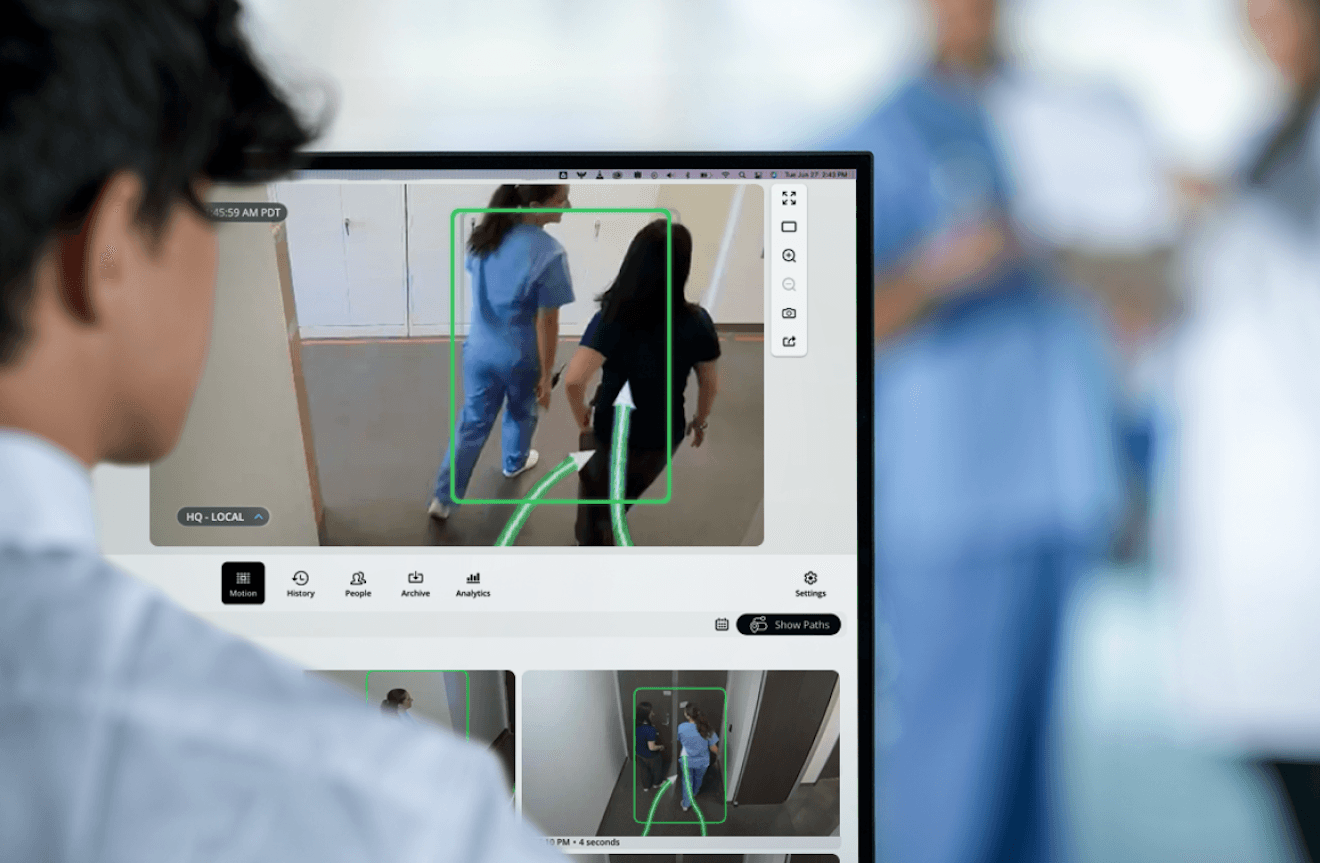
That visibility is especially important in key parking areas used by nurses, where Benefis has deployed Verkada cameras to help support staff safety after hours.
“The cameras create a visible safety presence in our parking lots, and our staff know that if something happens, we can find the footage quickly and support them,” Rogers said.
One medical office building highlights the impact. When Benefis first deployed Verkada there, exterior cameras were not included. Before they were added, Rogers said the team received reports of feeling unsafe or experiencing harassment in the parking lot about once per week. After exterior cameras were installed and their presence became known, reports dropped to roughly three reports in over more than a year.
Benefis saw a similar effect when it added cameras around the Women’s and Children’s Center parking lot, helping instill a greater feeling of safety for staff, patients, and visitors.
For Rogers, the biggest difference is that staff know they are supported.
“The biggest difference is staff confidence. Even if they never touch the system, they know that when they come to us for support, we can help,” Rogers said.
Clarifying slip-and-fall claims with objective video evidence
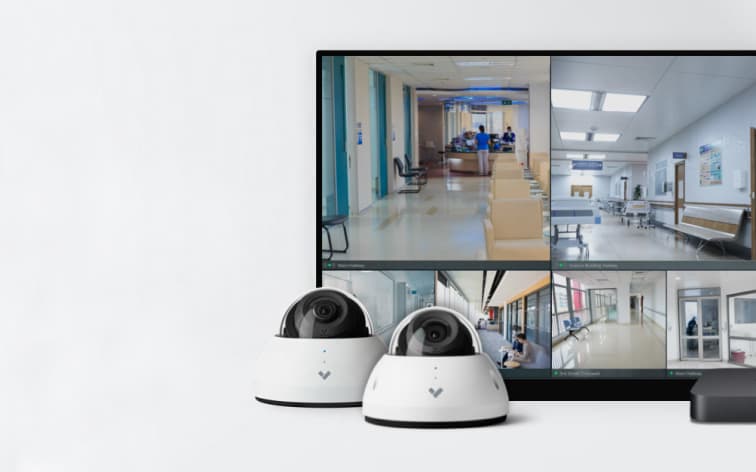
Entrances and exits are another critical focus area for Benefis. These high-traffic spaces are often central to investigations involving patient movement, visitor activity, or slip-and-fall claims.
Benefis has used Verkada footage to review several slip-and-fall cases and better understand what happened. Rogers emphasized that the benefit is not simply reducing risk for the organization — it is helping all parties reach the truth more quickly.
“In slip-and-fall reviews, the goal is to understand what really happened. Verkada gives us objective evidence that can support Benefis and the person filing the claim,” Rogers said.
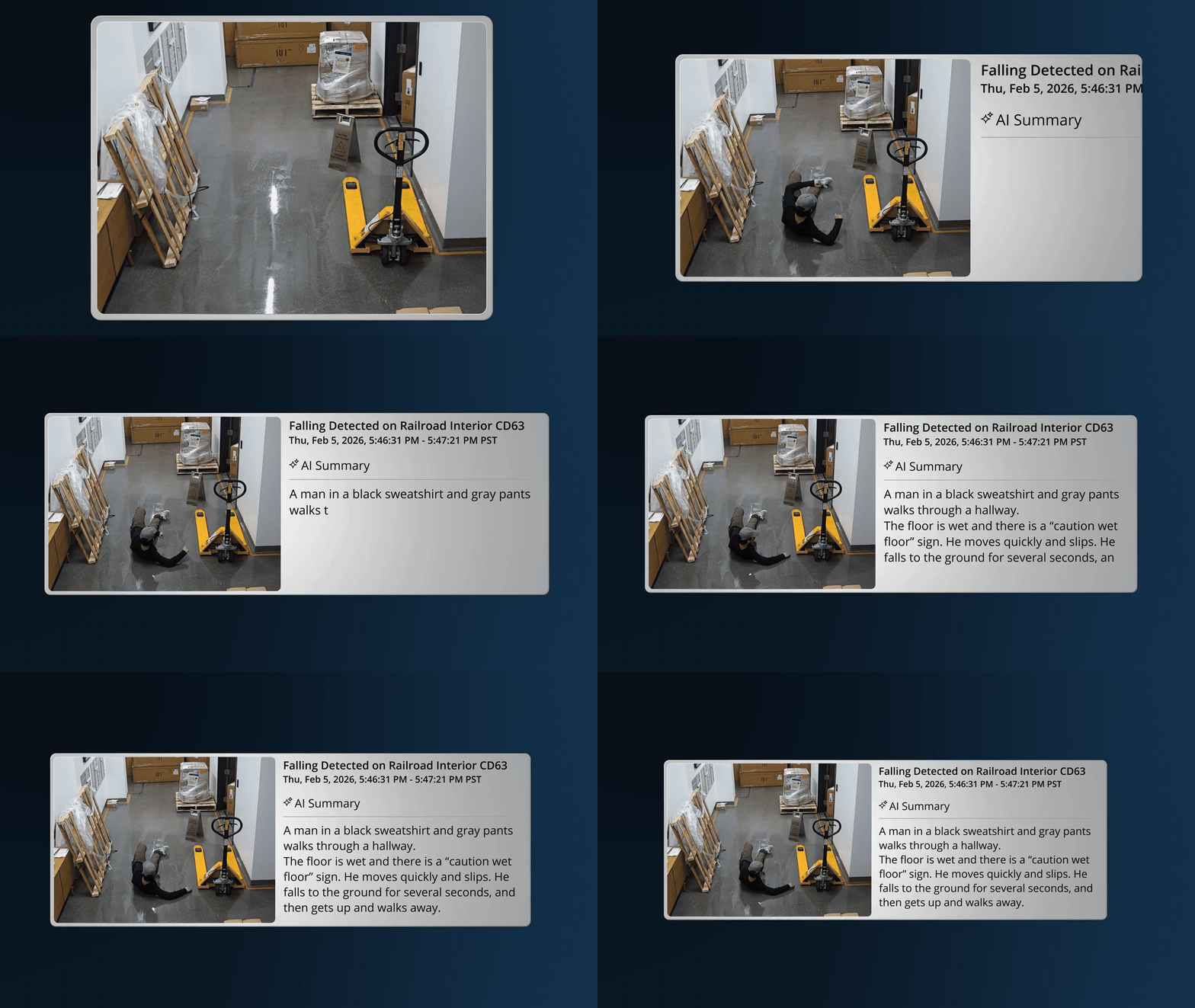
As Benefis continues deploying newer camera models, the team is also interested in expanding fall detection in areas where it could be most useful. With fall detection, teams can receive alerts when a person is detected experiencing fall, helping organizations move from after-the-fact review toward faster awareness and response.
“As we deploy newer cameras, we’re putting fall detection where it can make the biggest difference — especially around entrances and other areas where falls are more likely,” Rogers said.
Managing after-hours access while getting guards into the field
Benefis uses Verkada Intercom primarily for after-hours visitor access and entry management. Intercom calls route directly to security phones, allowing guards to visually verify visitors and approve or deny access from wherever they are.
“Intercoms have changed how we manage entry. We no longer need guards posted at every entrance, which means they can spend more time in the field checking buildings, doors, medication areas, and the perimeter,” Rogers said.
That shift has helped Benefis use its security team more efficiently while improving the visitor experience. Previously, depending on the entrance, visitors might have had to wait for a volunteer, call a help line, or wait for someone to physically walk to the door.
“With Verkada, visitors press the button and it goes directly to all our security phones,” Rogers said. “Security can approve or deny right away. It’s a huge time saver.”

Using Verkada beyond security for operations and planning
As Benefis continues construction across its facilities, Rogers has also found creative ways to use Verkada data beyond traditional security workflows.
During construction projects, Benefis uses line crossing analytics to understand how many patients and visitors use different hallways. If one hallway sees about 500 visitors per day and another sees about 1,500, the team can choose to close the lower-traffic hallway and reduce disruption. Rogers also used line crossing data to evaluate a stairwell with two sides. One side saw only about 10 people per day, helping the team make a more informed decision about how to use the space.
“We’re using line crossing analytics to make construction decisions with data. If one hallway has 500 visitors a day and another has 1,500, we can reroute fewer people and reduce disruption for patients and staff,” Rogers said.
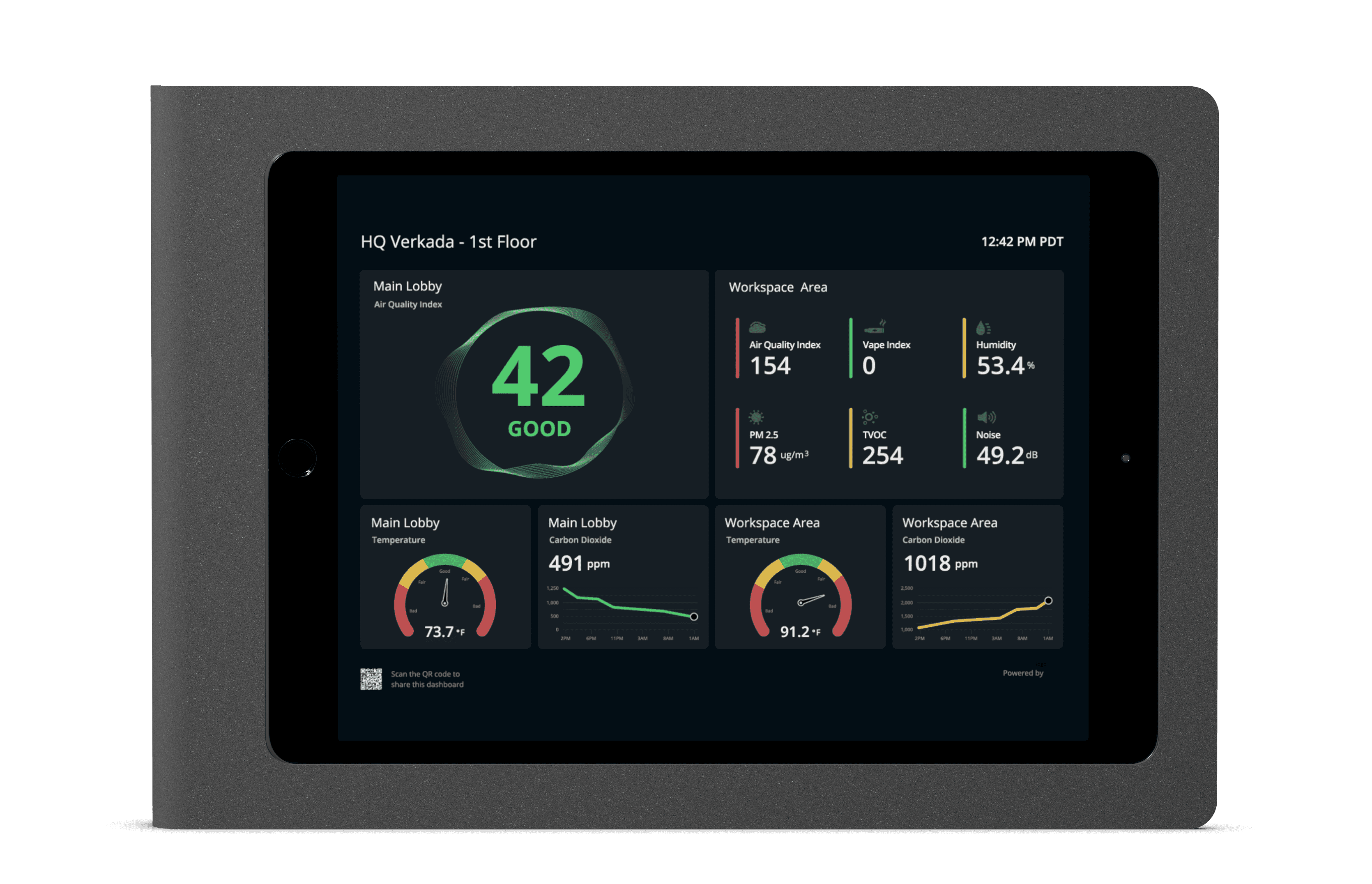
Benefis also uses Verkada Air Quality Sensors below its helipad. During construction, staff with offices below the helipad were concerned that helicopter activity might affect air quality. The sensor helped Benefis show objective data that the area was within healthy levels.
“The sensor helped us move the conversation from concern to data. We could show that the air quality was healthy, which gave employees peace of mind,” Rogers said.
Looking ahead: more alerts, visitor management, and mobile deployments
As Benefis grows, Rogers sees opportunities to expand Verkada even further. The team is currently exploring Verkada Guest for visitor management and sees digital check-in as a way to improve safety while preserving the hospital’s welcoming environment.
“Visitor check-in doesn’t have to make the hospital feel less welcoming. To us, it shows patients that we care about who is coming to see them and who is around them,” Rogers said.
Rogers is also interested in expanding proactive alerting, including fall detection and fighting detection, as well as creating alerts around known operational events that may pull security away from a post. Because Benefis is expanding rapidly, the team is also exploring security trailers to oversee construction projects in areas without internet.
For Rogers, Verkada has become a platform that can grow alongside Benefis’ needs.
“Every time Verkada releases something new, I find another use case for it. It started with cameras, but it has become a platform we can keep building on.”