Building for Real-World Impact: Meet Ruiyi Wang, Verkada Software Engineer
At Verkada, we don't believe in thinking small. Whether you are joining us for an internship or starting your career as a new grad, you are building features that go directly into our customers’ hands. To see what this looks like in practice, we sat down with Ruiyi Wang, a full-time new grad on the Camera Foundation team.
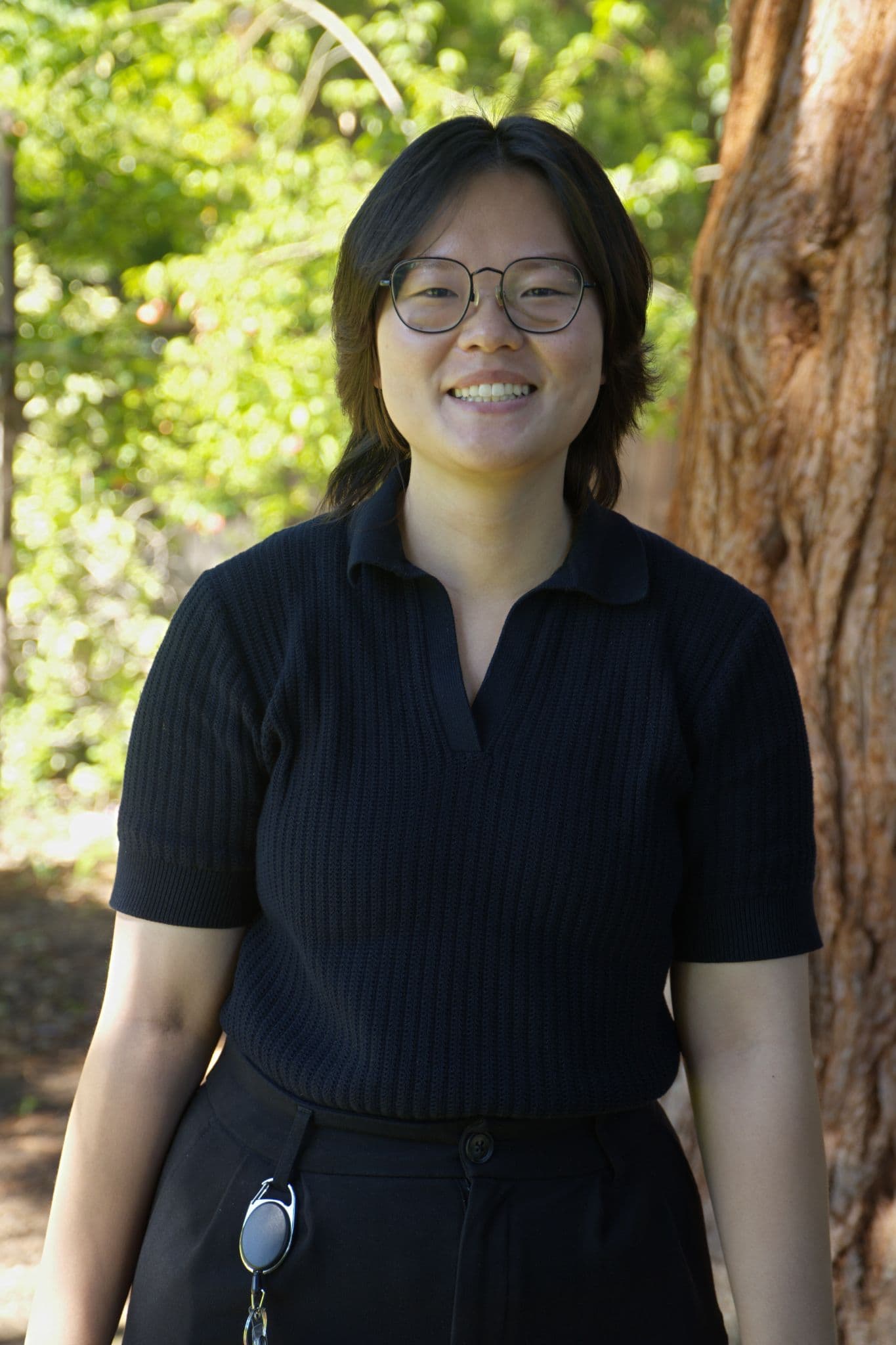
Name:
Ruiyi Wang
Current Role/Team:
Software Engineer, Camera Foundation
University/Major/Grad Year:
MIT, CS/Econ, 2025
Q: You started as an intern before transitioning to a full-time new grad. How did your day-to-day differ, and what did you build during your internship?
Ruiyi: As an intern, I was given end-to-end ownership right away. I built a feature called Selective Face Blur for our archives. If a customer needs to save and share footage, they can blur out an entire crowd for privacy reasons but keep the specific individual they are looking for (the “person of interest”) fully visible. I built the back-end pipeline to support the blurring and mocked up the front-end UI. The biggest difference as a full-time engineer is the scale and cross-team coordination. Instead of owning one standalone feature, I am now responsible for owning and integrating multiple large, parallel systems
Q: What project are you tackling now as a full-time new grad, and how does it work?
Ruiyi: I work on the AI-Powered Unified Timeline. It’s a tool that allows users to search for a specific person of interest across all their cameras using People Analytics, appearance filters, or Face Search, with a single click. Instead of manually digging through footage from different cameras and trying to piece together a cohesive story, our system does the heavy lifting. This feature has massive real-world impact. We recently had a school use it to solve a break-in at one of their IT buildings. Rather than scrubbing through hours of hallway footage, administrators were able to instantly map the suspect's exact path across campus to see how they got in. Retail customers use that same capability to track a shoplifter's route through a massive store, instantly package that timeline of clips into a single narrative, and hand it straight over to the police.
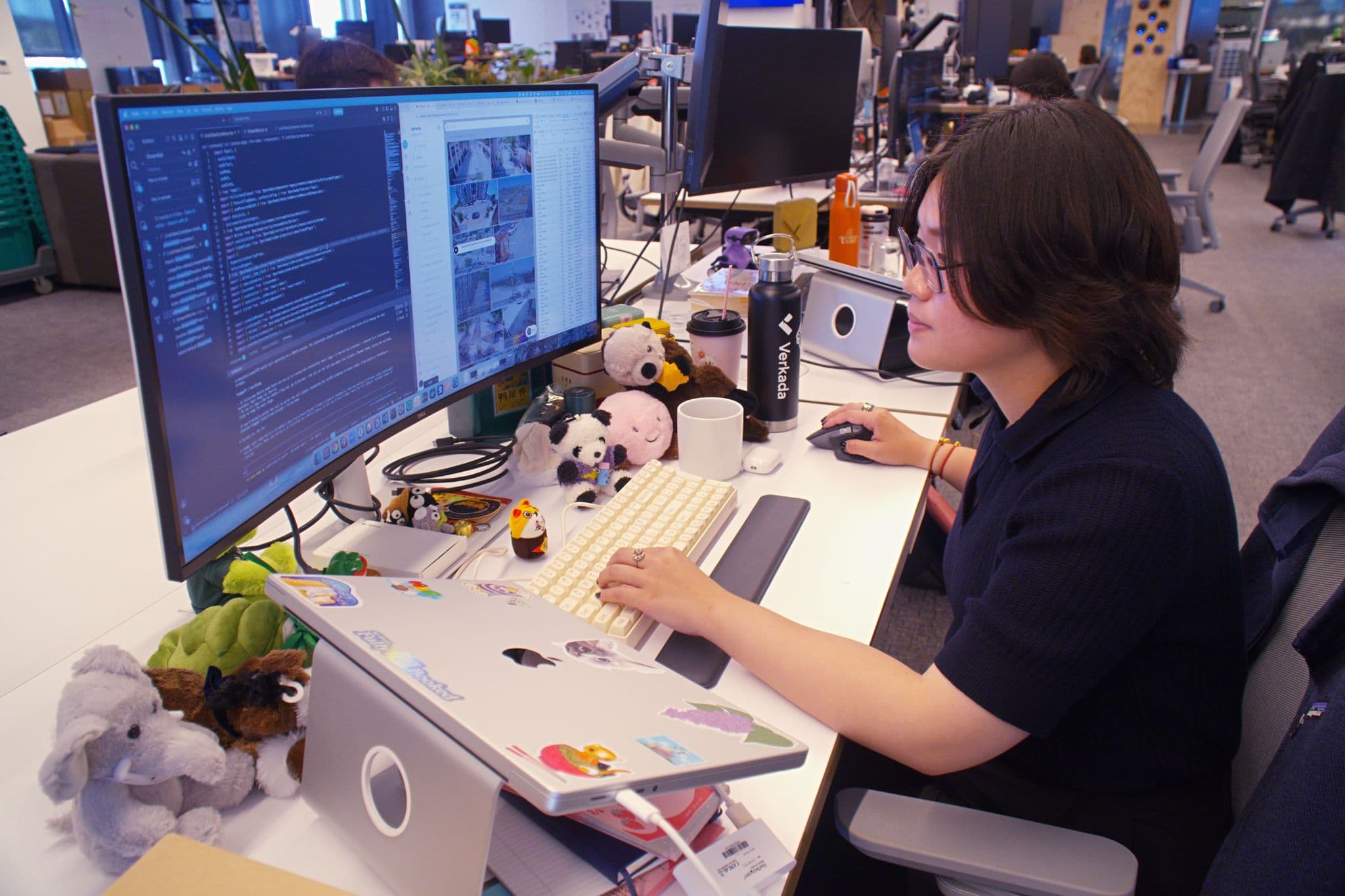
Q: Let's talk about that complexity. What was the biggest technical or strategic roadblock you hit on the Unified Timeline, and exactly how did you overcome it?
Ruiyi: Launching the Unified Timeline meant integrating it with two other major, unreleased features at the time: Instant Archives and Incident Management v2. To give some context, Instant Archives provides a way to instantly save and preserve footage long-term, which is critical since most cameras only have a 30-day retention limit. Incident Management v2 allows users to collect evidence in a police-report style, packaging summaries, footage, and timelines together. We needed to integrate both of these into the Unified Timeline so users could permanently save their footage directly from the timeline view.
Because all three features were being built in parallel, the dependencies were constantly shifting. It required an immense engineering effort across three different feature teams to ensure a smooth launch. Since many key decisions were being driven by product managers, there was a massive amount of cross-functional work required to enable and execute those decisions. We established regular cross-team syncs and leaned heavily on rigorous integration testing to make sure the different components would actually work well together.
This level of synchronization required the entire team's attention. Out of the four to five months I spent working on the Unified Timeline, about two solid months were dedicated purely to this cross-team coordination and testing. I had to coordinate across the entire tech stack, working with React and TypeScript on the front end, and Python and Go on the back end to keep everything in sync.
"The autonomy here is surprising. Within my first two weeks full-time, I was already shipping key bug fixes directly to production. Verkada places a unique amount of trust in new grads."
Q: Can you give me a specific example of a time you received great mentorship, or a time you felt you were given real ownership over your work?
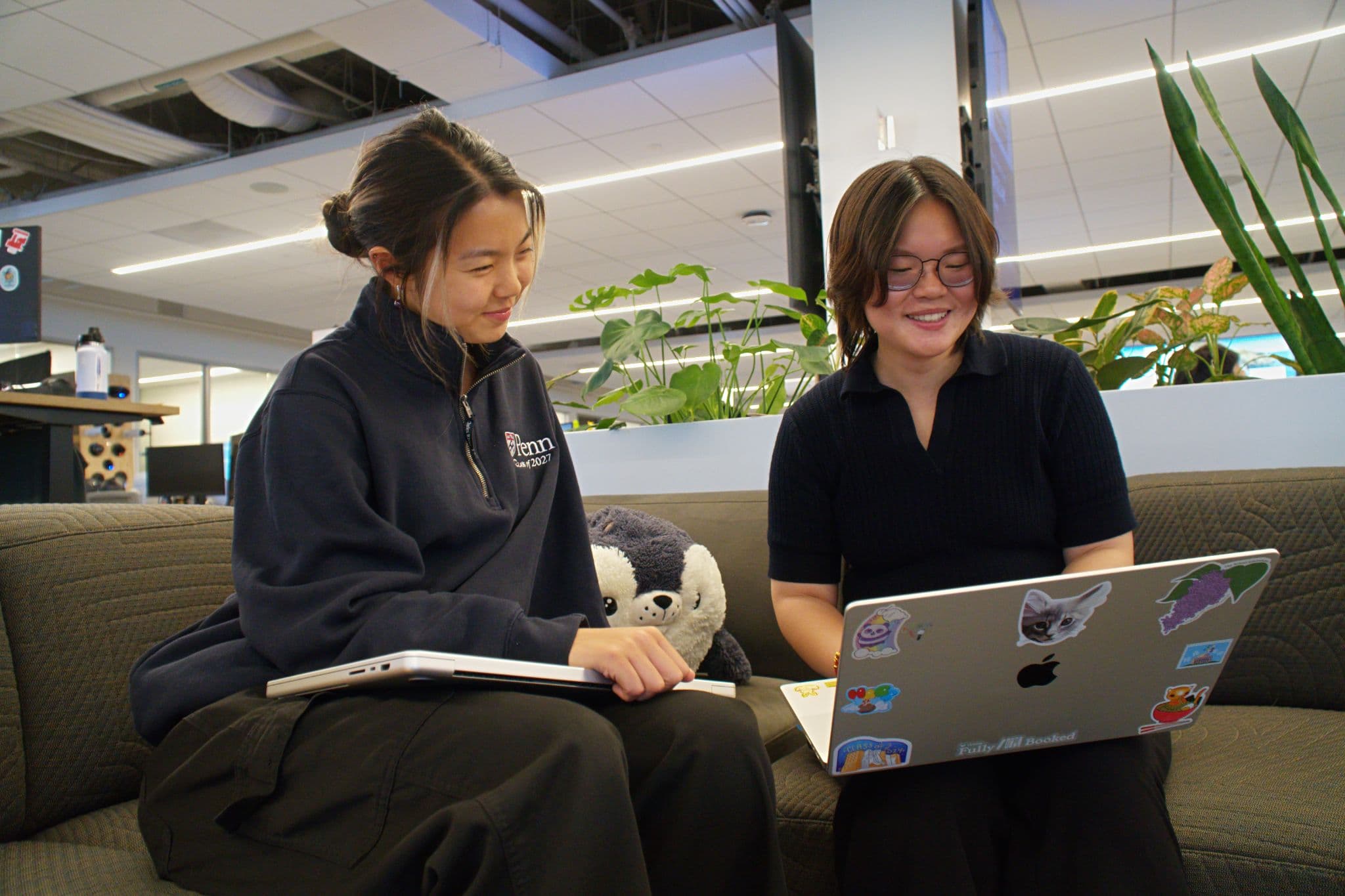
Ruiyi: The autonomy here is surprising. Within my first two weeks full-time, I was already shipping key bug fixes directly to production. Verkada places a unique amount of trust in new grads. But you are never left entirely on your own. When I was struggling to implement a specific UI animation for a cross-product integration called Door Shortcuts, one of my team members, who wasn't even my official mentor, stepped up to help. She sat down and pair-programmed with me. We drew out the diagrams together, which completely leveled up my understanding of web development geometry, layer synchronization, and state management.
Q: Taking a break from the code, what is your favorite restaurant to eat near the San Mateo office for 3-3-3?
Ruiyi: Mahasan. It is an amazing Thai spot right near the office. You have to try their curry and rice dishes!
"If you have the tenacity and a passion for learning, you can succeed across any part of the tech stack you choose to touch."
Q: If a prospective intern or new grad is reading this right now and wants to succeed at Verkada, what is the number one trait or skill they need to bring to the table?
Ruiyi: You have to be curious and open-minded. I was originally hired as a back-end intern, but when I joined full-time, I was given the opportunity to own large front-end projects, and lately, I’ve even dipped my toes into firmware release tooling and observability. We have a highly agile, impact-driven engineering culture, which allows engineers to take on a wide range of responsibilities and develop expertise across multiple areas. If you have the tenacity and a passion for learning, you can succeed across any part of the tech stack you choose to touch.
Ready to build products that impact the physical world? Keep an eye out for roles on our Careers website!


