
Key stats
~30,000 students across Seoul and Da Vinci campuses
~3,000 faculty and staff supporting campus operations
~760,000 square metres Da Vinci Campus footprint
Background
With a history spanning more than 100 years, Chung-Ang University is one of South Korea’s leading private universities, operating campuses in Seoul and Anseong and serving roughly 30,000 students, supported by around 3,000 faculty and staff.
At this scale, maintaining a safe environment across classrooms, dormitories, entrances, facilities, and outdoor spaces is both essential and complex.
“Because the campus is so large, the management area is also broad, and there are risks everywhere, both inside and outside the buildings,” said Jang Woo-geun, Director of General Affairs at Chung-Ang University’s Da Vinci Campus.
The challenge: protecting a large, open campus with faster, more proactive response
Like many universities, Chung-Ang University had already invested significantly in physical security infrastructure to help monitor facilities and support emergency response.
But traditional systems created operational challenges.
At the Seoul campus, Park Gi-seok, Director of General Affairs, explained that the university is effectively open around the clock. With people, vehicles, and delivery motorcycles moving in and out at all hours, security teams needed a faster way to investigate incidents and identify what happened without manually reviewing hours of footage.
Previously, when an incident occurred, staff often had to rewind through large volumes of recorded video to find a person, vehicle, or moment of interest. That process was time-consuming and made it harder to respond quickly when safety issues arose.
At Da Vinci Campus, the challenge was even broader. The campus spans approximately 760,000 square metres and includes buildings, wooded areas, and outdoor spaces that can be difficult to monitor efficiently. The university had also identified higher-risk areas — including rooftop access points and vulnerable outdoor zones — where staff wanted to intervene earlier, before incidents escalated.
In conventional control-room workflows, staff monitored large numbers of cameras at once, often through small video windows while also watching event logs. Even with 24/7 staffing, it was difficult to maintain full visibility and respond immediately.
Why Verkada: AI-powered search, real-time alerts, and flexible remote monitoring
Chung-Ang University selected Verkada because it offered something different from traditional CCTV: a more proactive, AI-powered approach to campus security.
According to Park, Verkada stood out as the only solution the university evaluated that combined AI-powered search and centralized management in a way that matched the needs of an always-open campus.
At Da Vinci Campus, the university began deploying Verkada video security in higher-risk areas such as rooftop access points, where faster visibility and response mattered most.
With Verkada, Chung-Ang gained the ability to:
Search footage quickly using attributes like clothing, vehicles, and license plates
Receive real-time alerts when people enter sensitive areas
Monitor remotely from mobile phones, tablets, and other devices
Accelerate response by verifying incidents and dispatching staff faster
Protect privacy with selective face blur and permission-based access
Just as importantly, Verkada gave Chung-Ang a more unified way to manage security across both Seoul and Da Vinci campuses. Instead of relying solely on a conventional control-room setup, the university can maintain visibility across sites through one centralized platform, with alerts and live video accessible from mobile devices as well as the control room. For a university operating across multiple campuses, that flexibility makes it easier for teams to stay responsive without being tied to a single location.
For Jang, the ability to receive alerts directly on mobile devices has been especially valuable.
“With Verkada’s solution, monitoring is no longer restricted by time or place,” he said. “Since it can be done in real time through mobile phones, tablets, and other devices, it’s much more flexible.”
Faster investigations and more efficient security operations
One of the biggest advantages for Chung-Ang has been the speed of investigation.
At the Seoul campus, Park said Verkada’s AI-powered search has made it dramatically easier for staff to identify people and vehicles moving through campus entrances. Instead of manually reviewing footage, teams can now search using details such as a license plate, a vehicle, or even a person wearing a red scarf and surface relevant video much more quickly.
That same workflow has also helped the university track delivery motorcycles and other recurring vehicle activity more efficiently. By combining vehicle search, AI alerts, and Unified Timeline, teams can follow movements across cameras, verify what happened faster, and reduce the amount of manual review required in a busy, always-open campus environment.
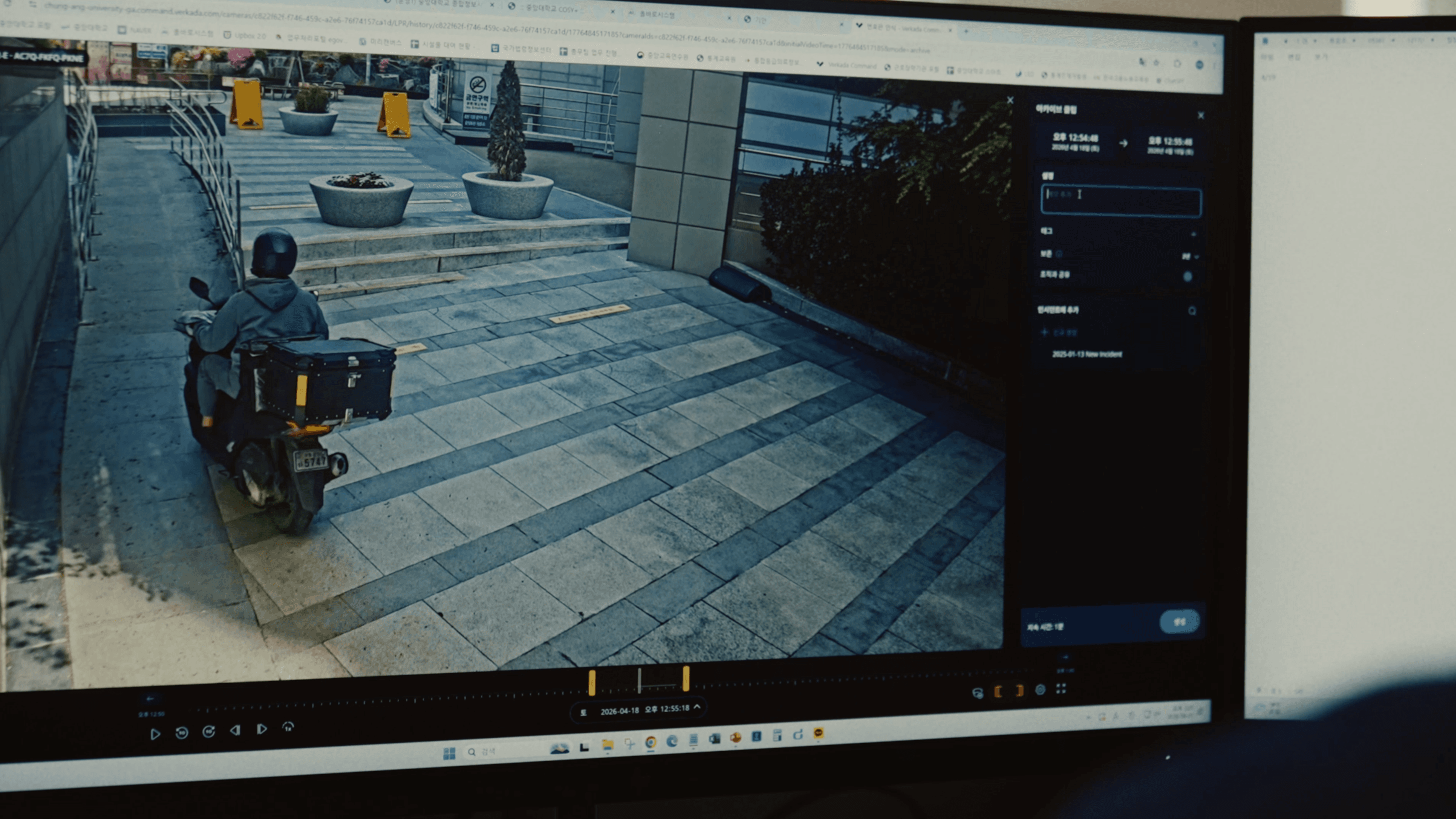
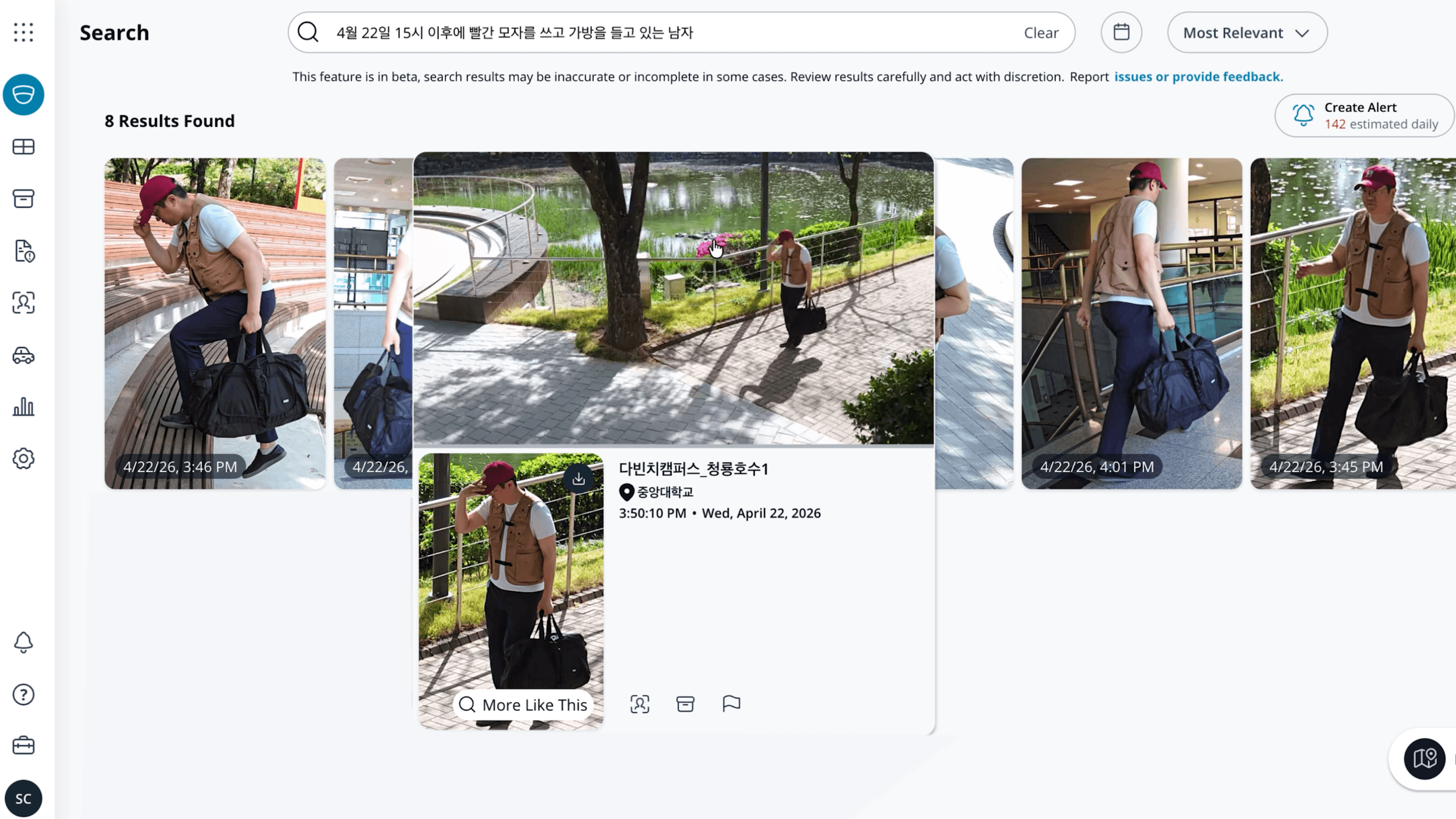
That speed has already helped the university respond more effectively to safety-related incidents. In one case, staff used the system to trace an individual’s movement across campus and support a faster, more coordinated response with law enforcement.
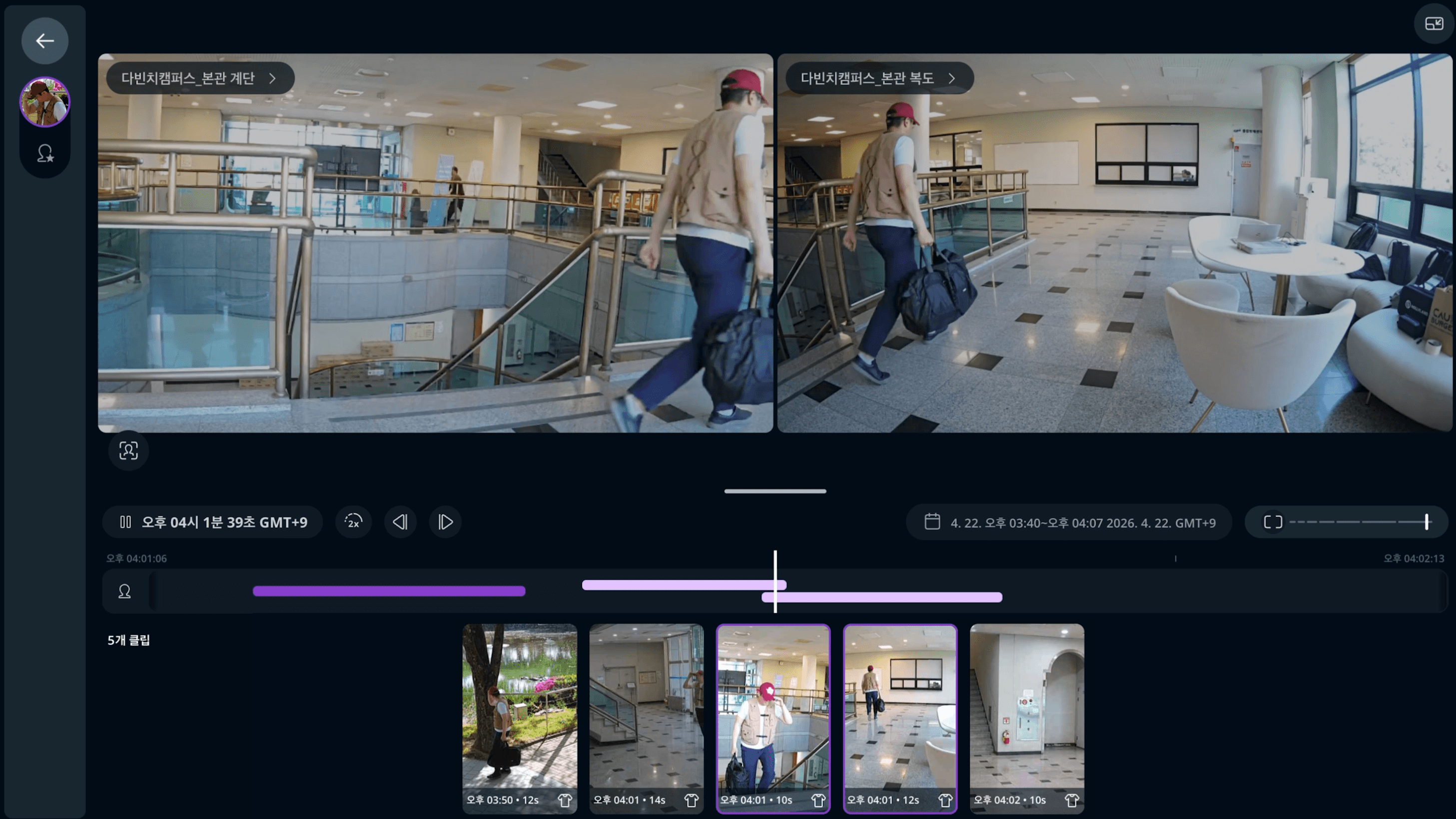
“What used to take a great deal of time can now be handled much faster, which has made a meaningful difference in both our response and overall campus safety,” Park said.
The university has also used Verkada to strengthen oversight of sensitive facilities such as data and backup centers. During holidays and other low-occupancy periods, security teams can detect motion or unexpected activity by non-administrators and respond more efficiently without continuous manual monitoring.
Supporting safer rooftop monitoring at Da Vinci Campus
At Da Vinci Campus, Verkada has been especially valuable at rooftop access points, where the university wanted to improve proactive monitoring.
Jang explained that rooftop doors were intended to remain locked under normal conditions but open when needed for emergency evacuation. In practice, however, there were cases where doors were not properly secured, creating safety concerns.
With Verkada cameras, the team now receives alerts when someone enters those monitored areas. If the person is authorized staff, no action is needed. If not, the university can review the situation immediately and contact security personnel to verify conditions on-site.
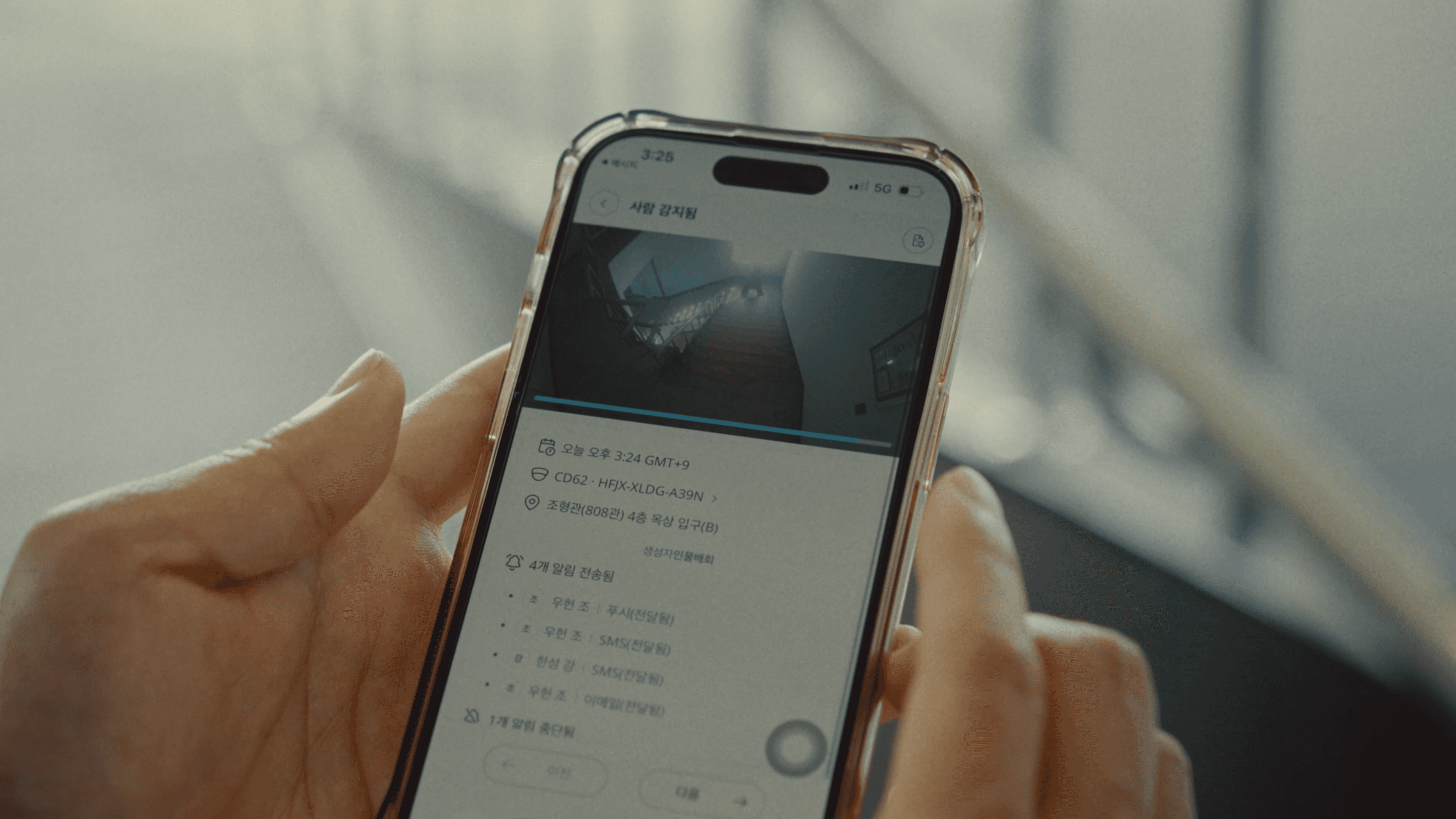
That workflow helps the university act earlier and with more confidence.
More broadly, this reflects a shift in how Chung-Ang approaches campus safety: from passive monitoring to more proactive intervention. Rather than asking guards to watch countless small video windows and event logs at once, Verkada helps surface the moments that matter most — especially in higher-risk areas such as rooftop access points and vulnerable outdoor zones — so staff can focus attention where it is most needed and intervene earlier before incidents escalate.
“If an unauthorized person approaches and the rooftop door is open, it can be difficult to respond quickly — especially in blind spots without video security coverage,” Jang said. “By identifying people as they approach and assessing whether the situation is concerning, we can alert staff immediately and have them verify the situation in person.”
Balancing safety with privacy
As a university, Chung-Ang is also highly aware of privacy considerations.
Both leaders emphasized that while intelligent video security can significantly improve safety and operational efficiency, it must be implemented thoughtfully in a campus environment where students and staff may be sensitive to perceptions of monitoring.
That made Verkada’s privacy controls an important part of the deployment. Features such as role-based access and selective face blur help Chung-Ang investigate incidents while limiting unnecessary exposure to personal information — an important consideration in a university setting.
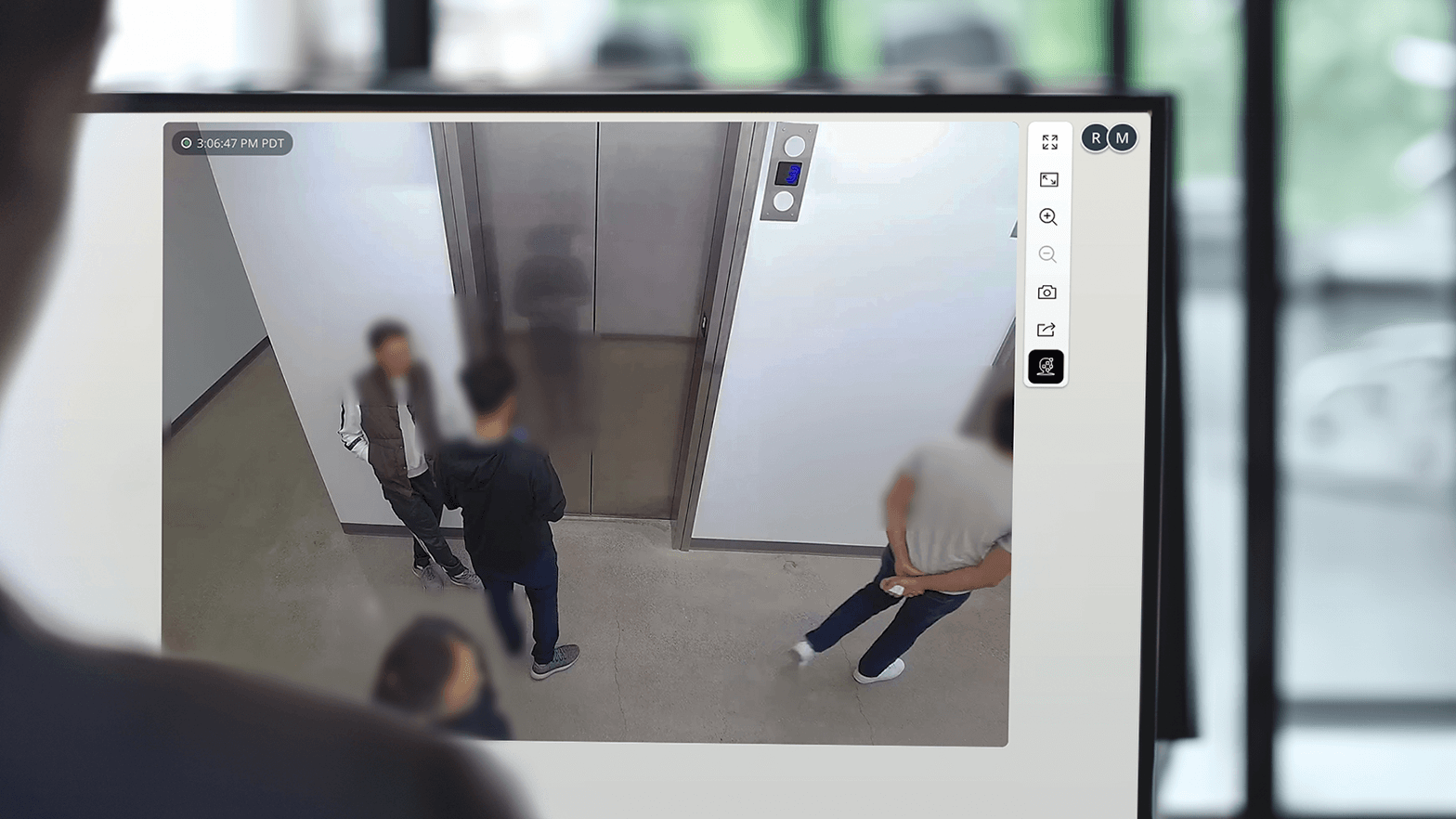
For Chung-Ang, that balance is essential: enabling staff to respond faster and protect the campus while still respecting the expectations of the university community.
Looking ahead: expanding protection across outdoor and operational environments
Following its initial deployment, Chung-Ang University is exploring additional ways to extend Verkada across campus operations.
At Da Vinci Campus, Jang highlighted the potential to expand video security into vulnerable outdoor areas, where dense trees, broad perimeters, and even wildlife activity can make incidents harder to monitor in real time. As Verkada continues to add analytics capabilities such as animal detection, fence climbing, and related alerts, these environments could become even easier to monitor proactively.
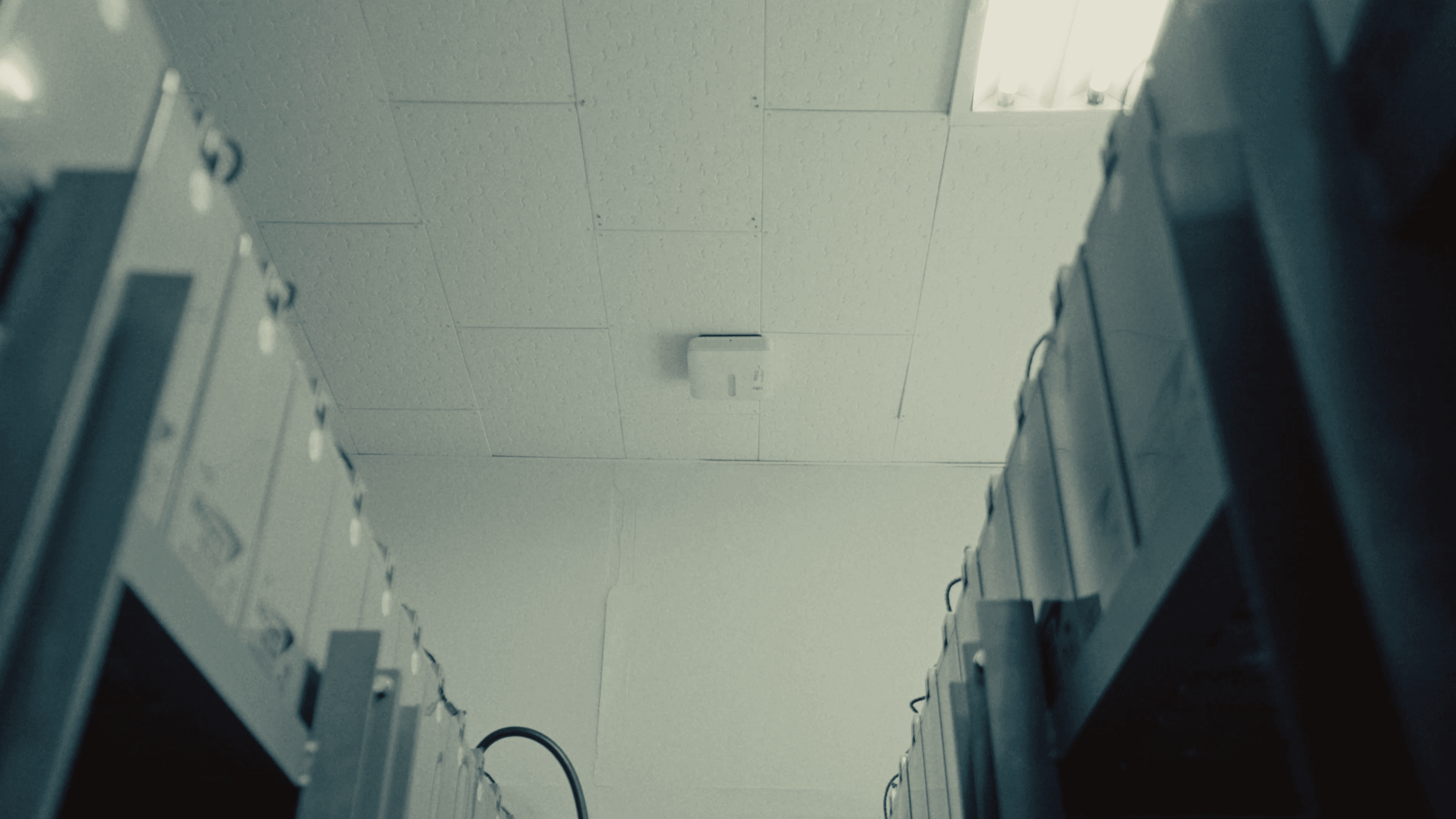
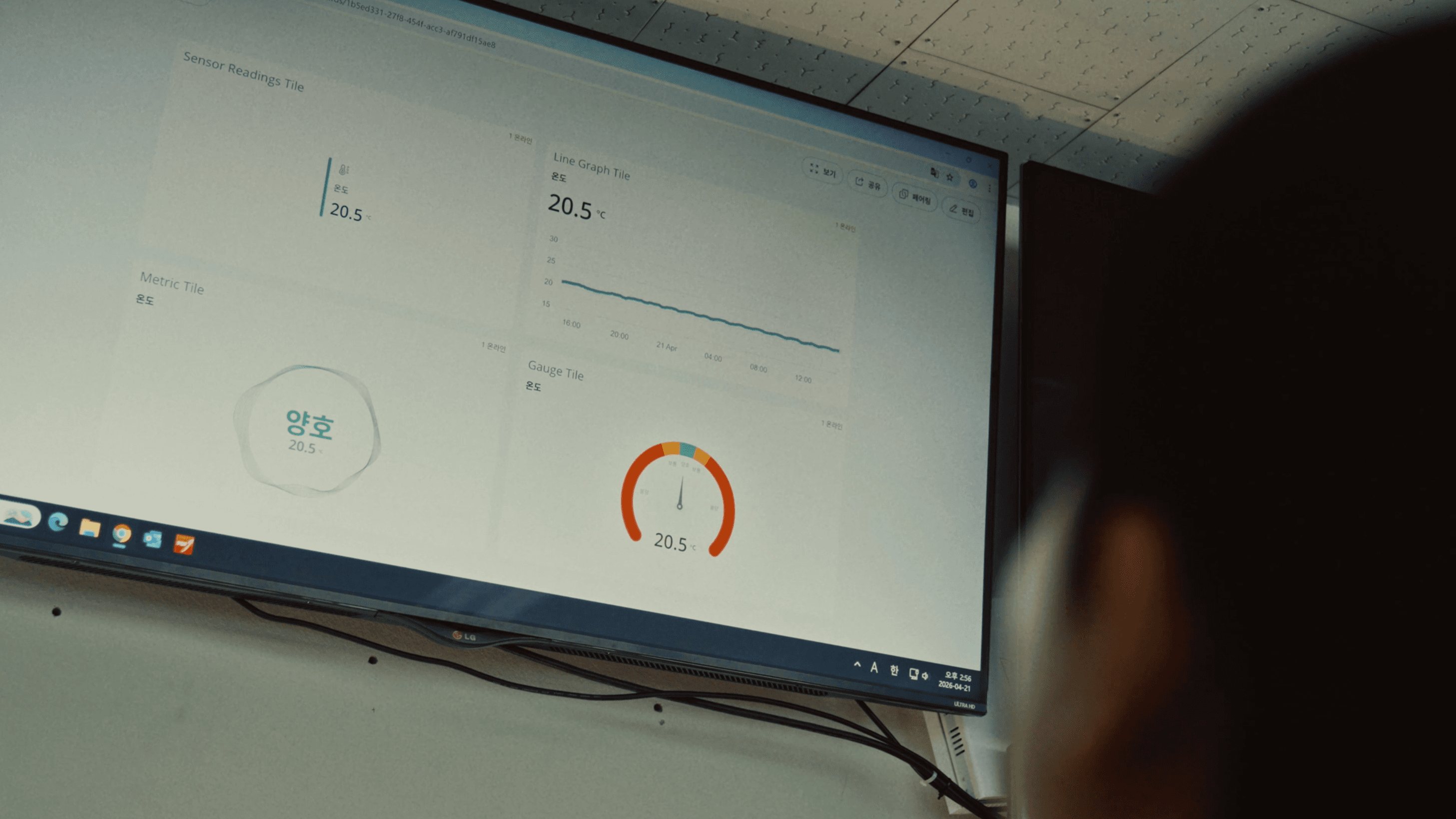
At the Seoul campus, Park pointed to additional operational use cases, including package storage areas serving student housing, where missing parcels can be difficult to investigate, and large campus cafeterias, where environmental monitoring with air quality sensors could help identify excessive heat, gas, or other risks before they become emergencies.
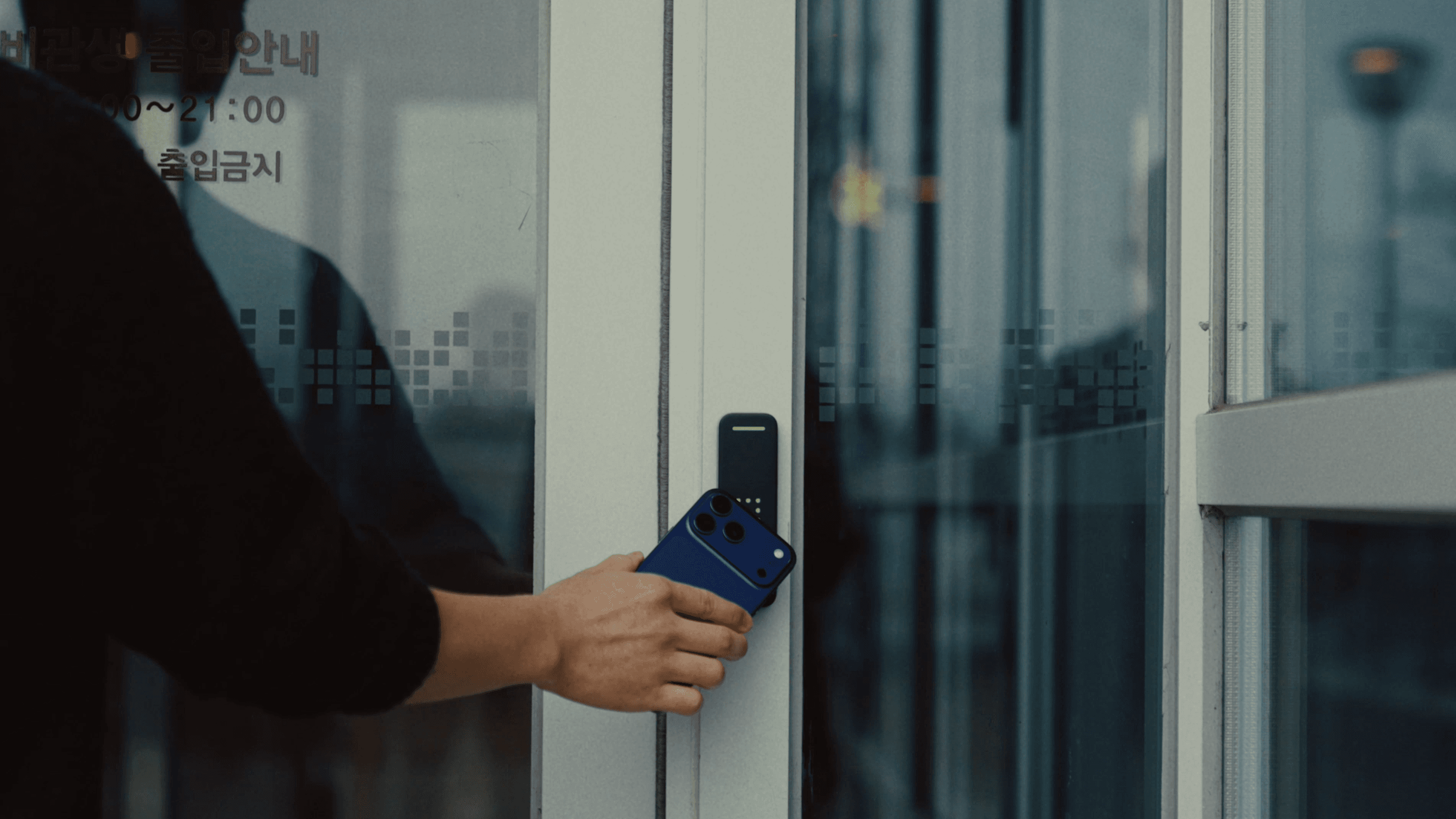
The university is also exploring how Verkada could support new dormitory access control workflows. In a higher education setting, that could include managing external visitors more consistently, applying different access permissions by residence hall or user group, and supporting gender-based access control policies where appropriate. With one centralized system, Chung-Ang could strengthen oversight in sensitive residential spaces while keeping administration manageable for campus teams.
Another area of interest is device management and visualization. With floor plans in Command, teams can map cameras, doors, and other devices into a more intuitive top-down view of each building, making it easier to understand device location, check door status, and troubleshoot operational issues. For a large campus, that kind of layout-based visibility could simplify tasks that were previously more cumbersome, such as identifying where a device is installed, understanding whether it is online or offline, and tracking issues across multiple buildings.
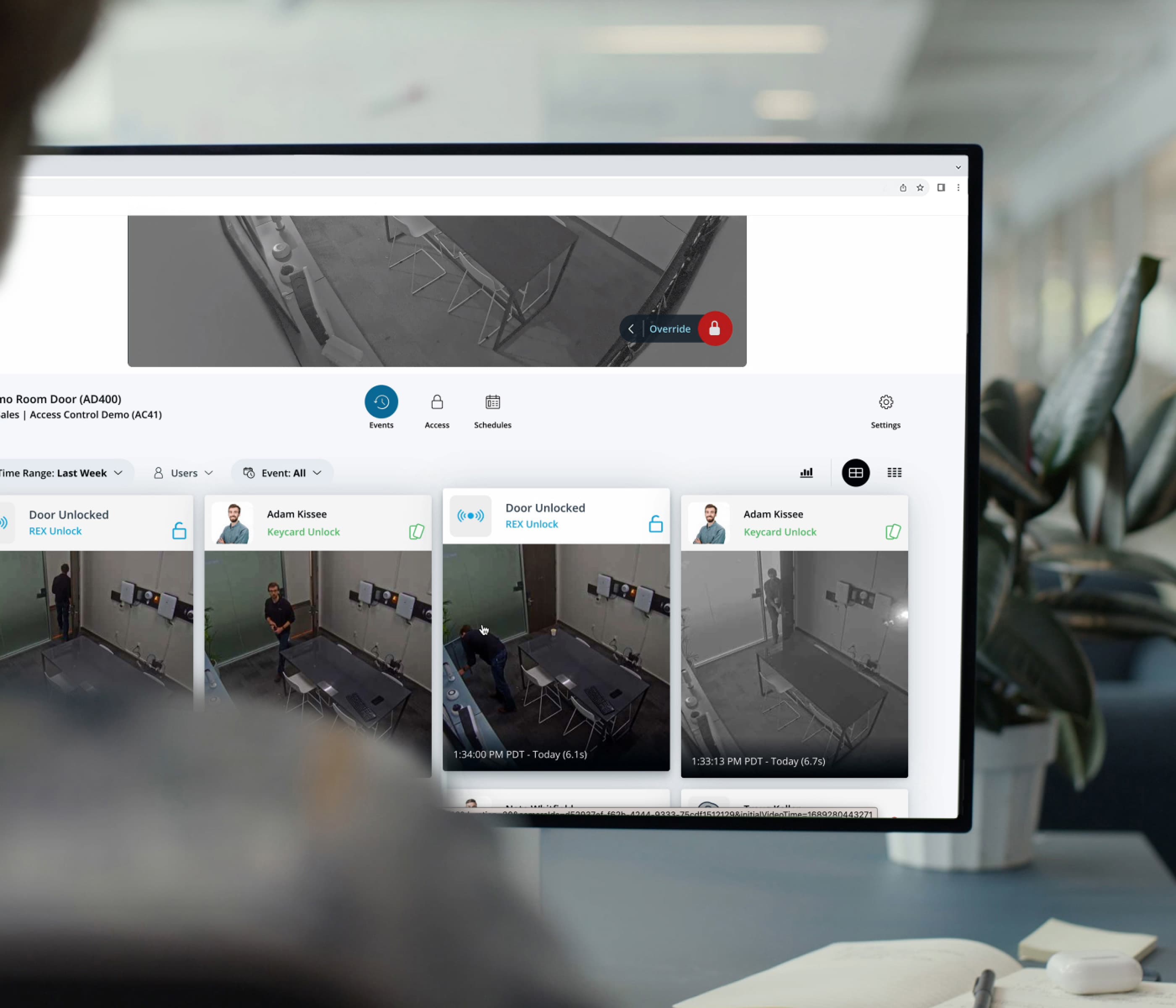
Together, these opportunities reflect a broader vision: using Verkada not only for incident response, but as a smarter, more connected platform for campus safety and operations.
Conclusion
Verkada has helped Chung-Ang University move from manual, reactive investigations to a more proactive approach built on AI-powered search, real-time alerts, remote monitoring, and privacy-conscious controls. With faster visibility into incidents and the flexibility to respond from anywhere, the university can better protect students, staff, and key facilities across campus.
As Chung-Ang looks ahead, that foundation could extend even further — from multi-site remote management and delivery vehicle monitoring to dormitory access workflows and floor plan-based device management — giving the university a more connected, scalable approach to campus safety and operations.