Improving School Environments with COVID Relief Funds and Sensor Technology
When the COVID-19 pandemic was at its height, you may have encountered the Paycheck Protection Program, or PPP. This vital program provided payroll relief for businesses across the country. It was part of $150 billion in funding set aside by the Coronavirus Aid, Relief, and Economic Security (CARES) Act.
Yet paycheck protection was just one aspect of government-funded COVID relief programs, and it was soon joined by additional funding programs, some of which were designed to help schools monitor indoor air quality to promote healthier environments.
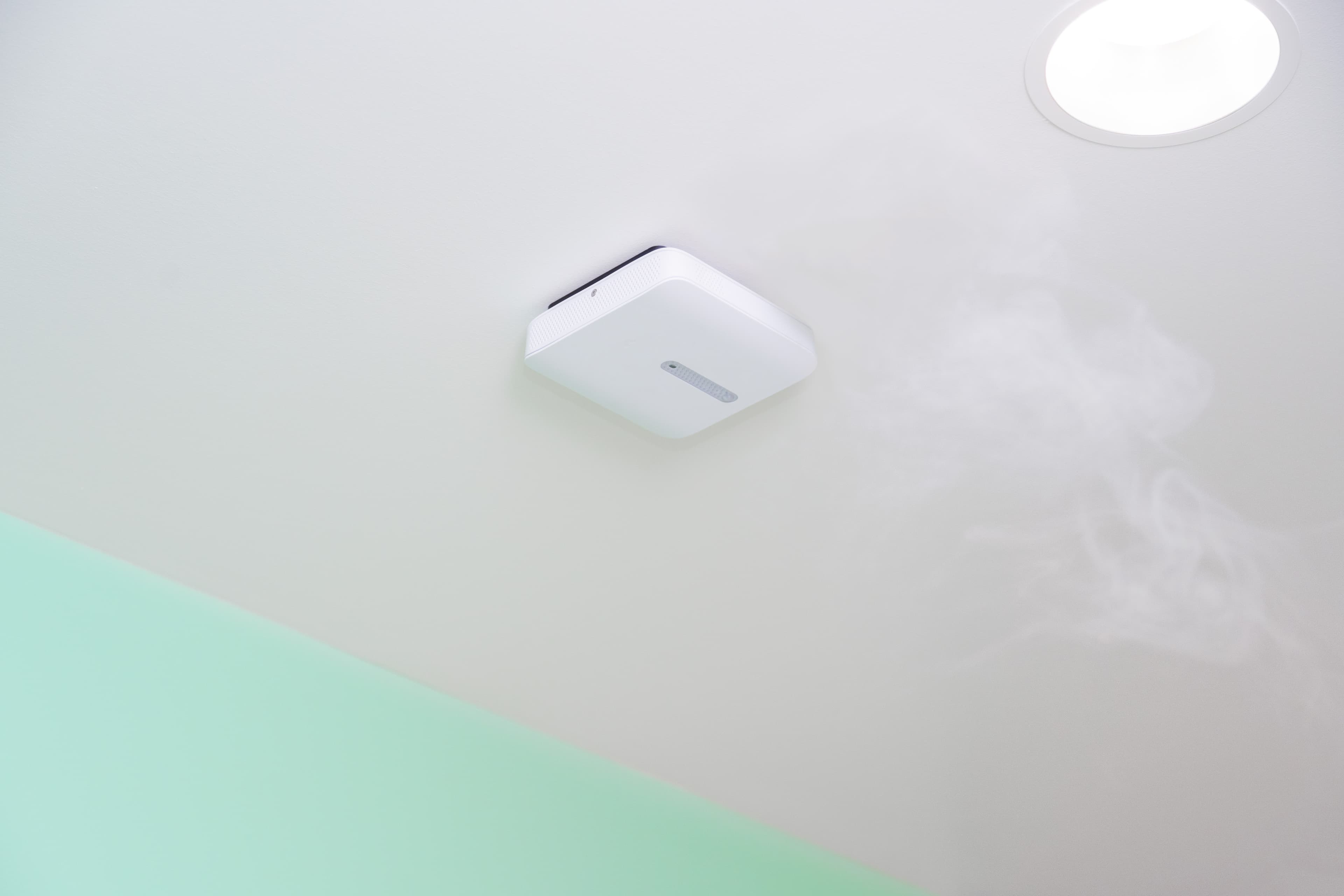
The Elementary and Secondary School Emergency Relief (ESSER) fund, in particular, is used by Local Educational Agencies (LEAs) to “provide personal protective equipment (PPE), cleaning supplies and sanitizing materials, among other things to maintain school operations throughout the duration of the COVID-19 public health crisis.” This includes a specific focus on monitoring indoor air quality in schools.
With additional funding from the Coronavirus Response and Relief Supplemental Appropriations (CRRSA) Act and the American Rescue Plan (ARP) Act, ESSER is still a great way for school districts to invest in air quality monitoring solutions that not only mitigate the risk of COVID transmission, but also promote healthier environments for students, teachers, administrators, and visitors.
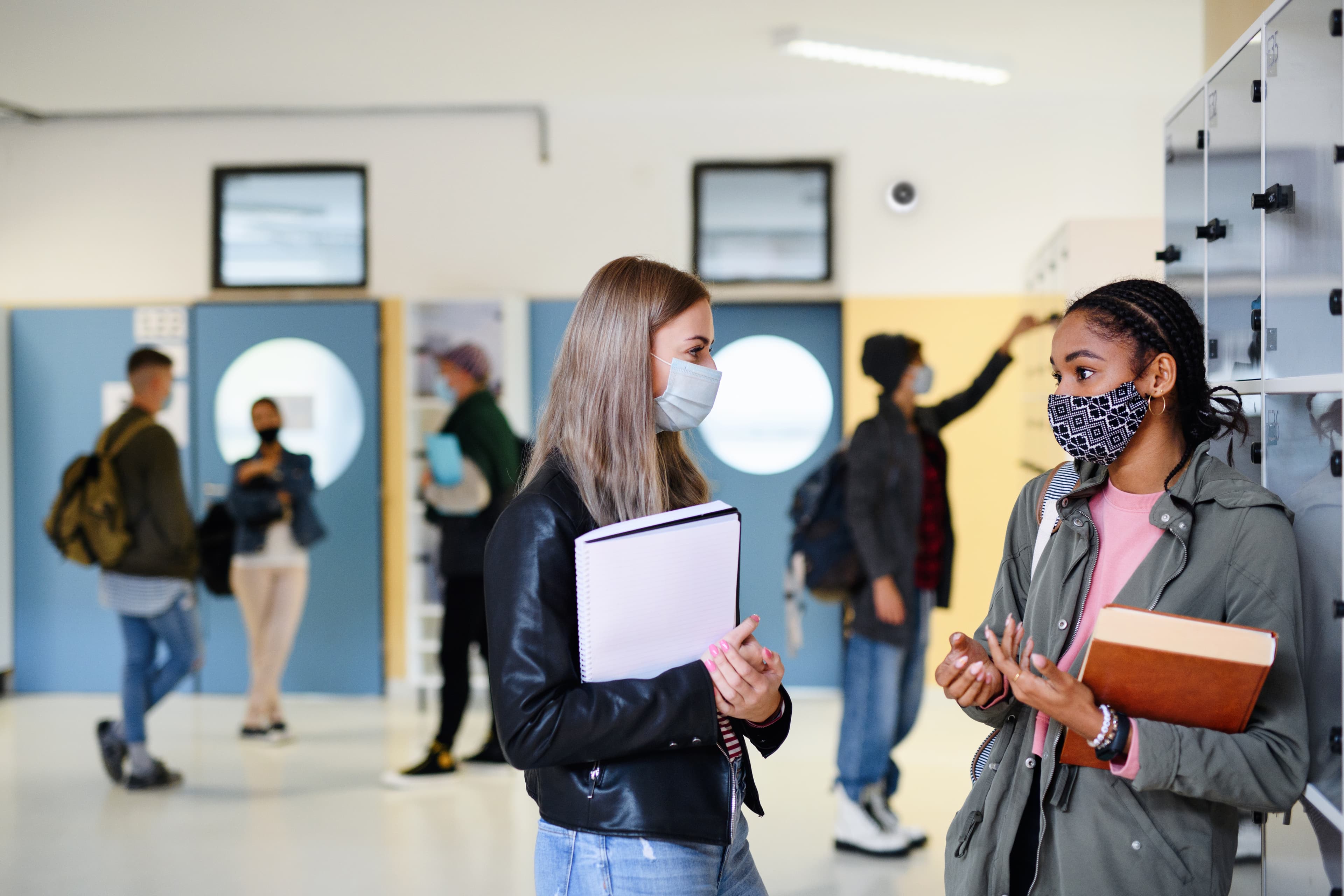
How COVID Relief Funds Can Be Used to Student Health & Safety
Many organizations have used COVID relief funds to implement environmental sensors. Why? Because these sensors can help reduce the risk of COVID-19 transmission, first and foremost.
Thankfully, environmental sensors are more attainable than ever. With the Verkada Environmental Sensor lineup, for example, you can create a safe work and learning environment, while also reaping the benefits of vape detection, integrated security monitoring, and more.
Here’s a closer look at some of those use cases:
Maintain a Safe and Healthy Environment for Students and Faculty
Is your facility’s HVAC plan as efficient as it should be? What’s the air quality like in classrooms, where students and teachers gather every day? And what about other potentially sensitive spaces, such as science labs, cafeterias, and locker rooms?
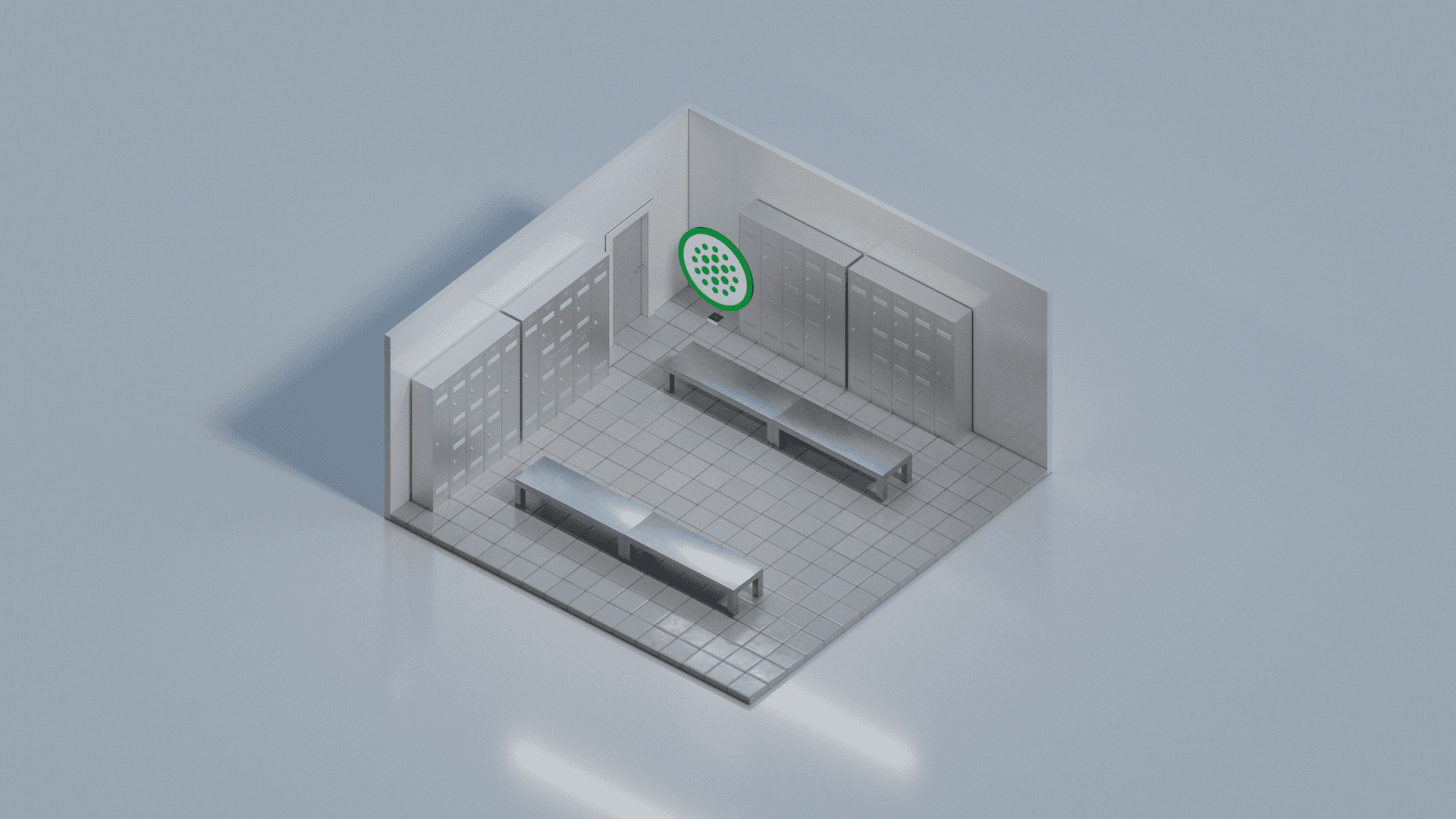
An environment sensor can not only monitor all of these areas simultaneously, but send automated alerts should certain thresholds for temperature, humidity, and TVOCs be breached. They can even detect loud sounds to help staff members find and stop aggressive behaviors, such as bullying and fighting.
Ensure Adherence COVID-19 Cleaning Protocols
Cleaning and sanitizing common spaces is an essential part of preventing the spread of COVID-19. In schools and educational facilities, the SV23 and SV25 environmental sensors can be placed in common areas, bathrooms, locker rooms, and classrooms to monitor Total Volatile Organic Compounds (TVOC) levels. TVOC readings can help administrators confirm that these areas are cleaned at the correct frequency.
Beyond Air Quality: Creating Safer Environments
Preventing and controlling the spread of COVID alone is a worthy reason for investing in environmental monitoring. However, environmental sensors can do much more to make schools safer, more efficient, and regulated.
Detect Smoke and Vape Emissions in Classrooms, Locker Rooms, and Bathrooms
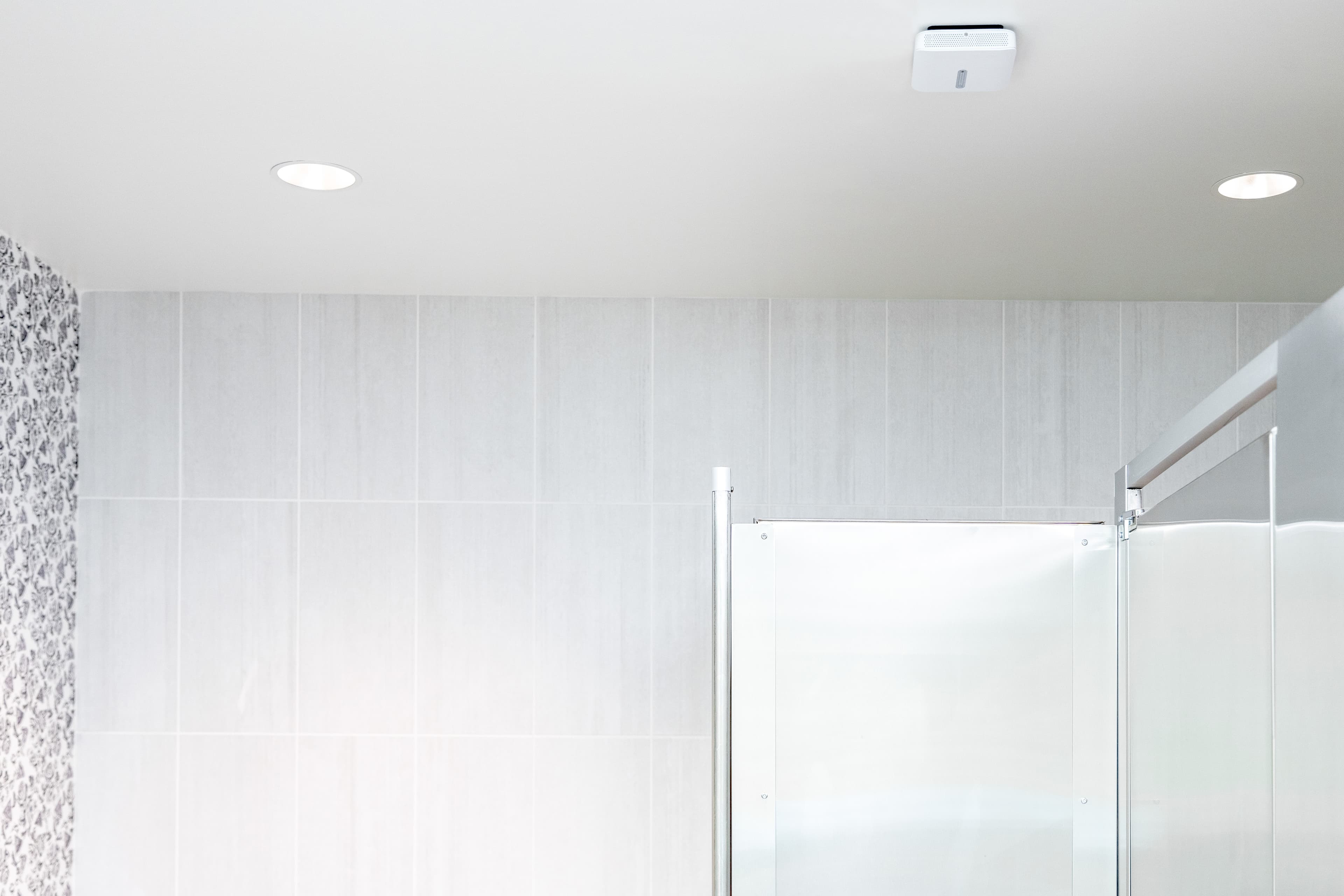
Beyond COVID-19 use cases, school staff can use environmental sensors to detect vape and smoke emissions in bathrooms, locker rooms, and other areas. Because these behaviors are typically prohibited on campuses, many school officials will pair an environmental sensor with a camera outside the space in question to capture additional evidence (if necessary).
Monitor for Chemical Spills
Most campuses house at least some potentially harmful chemicals. Custodial closets contain cleaning products, for example. But did you know that developer powders, common to photography labs, are highly toxic? Or that bromine and chlorine, two chemicals you’ll sometimes find in school labs, were once used as chemical agents in war?
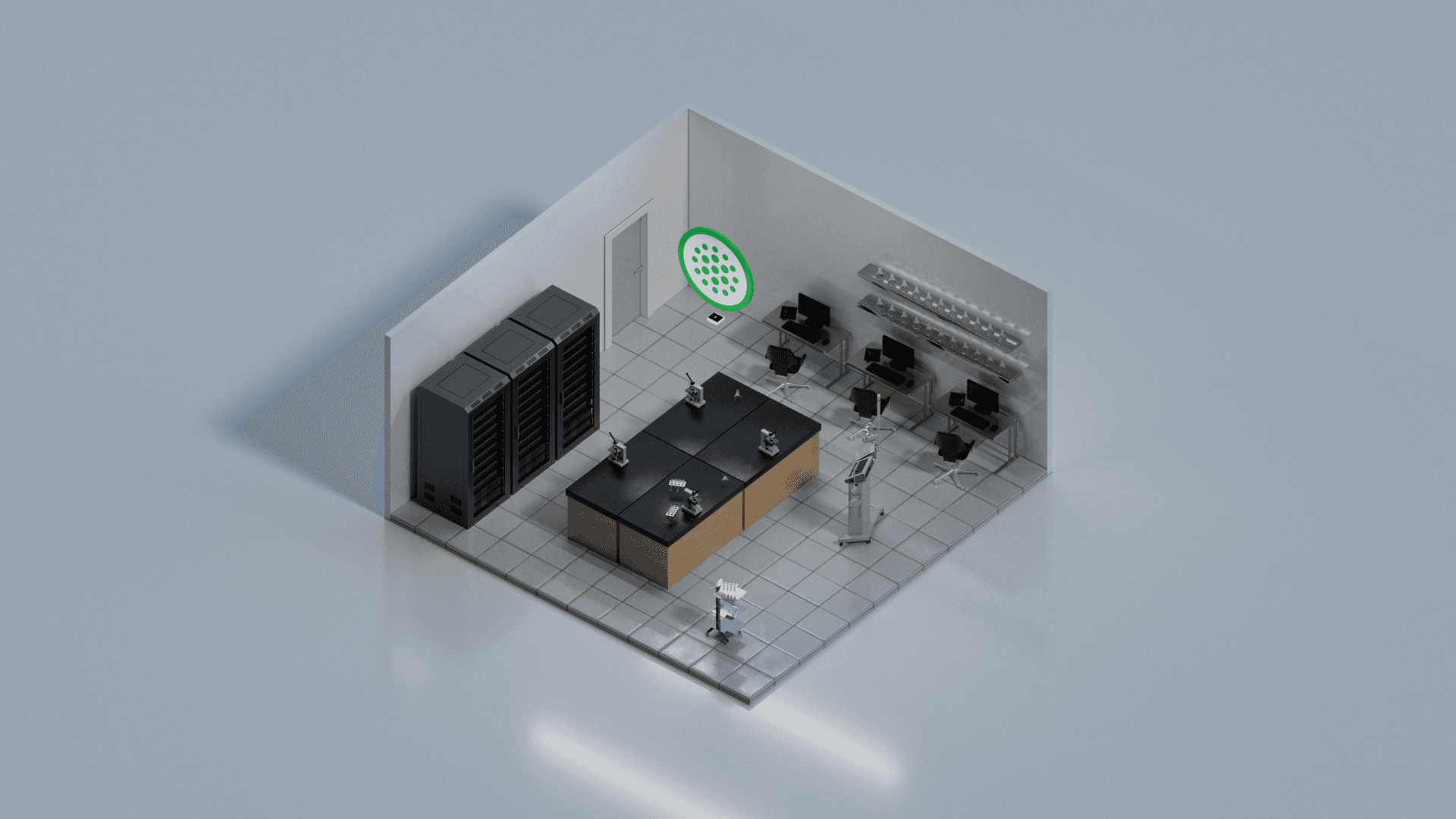
The good news is that spills, leaks, and misuse of dangerous chemicals usually release TVOCs into the air, which can be monitored closely by environmental sensors. These sensors can detect even the slightest increase to help prevent exposure to staff and the student body.
Store Food Properly and Prevent Mold
Food is such a fundamental part of everyday life at schools and universities. Beyond what people bring to eat for themselves, food services staff often store and prepare large quantities of food on campus, including perishables.
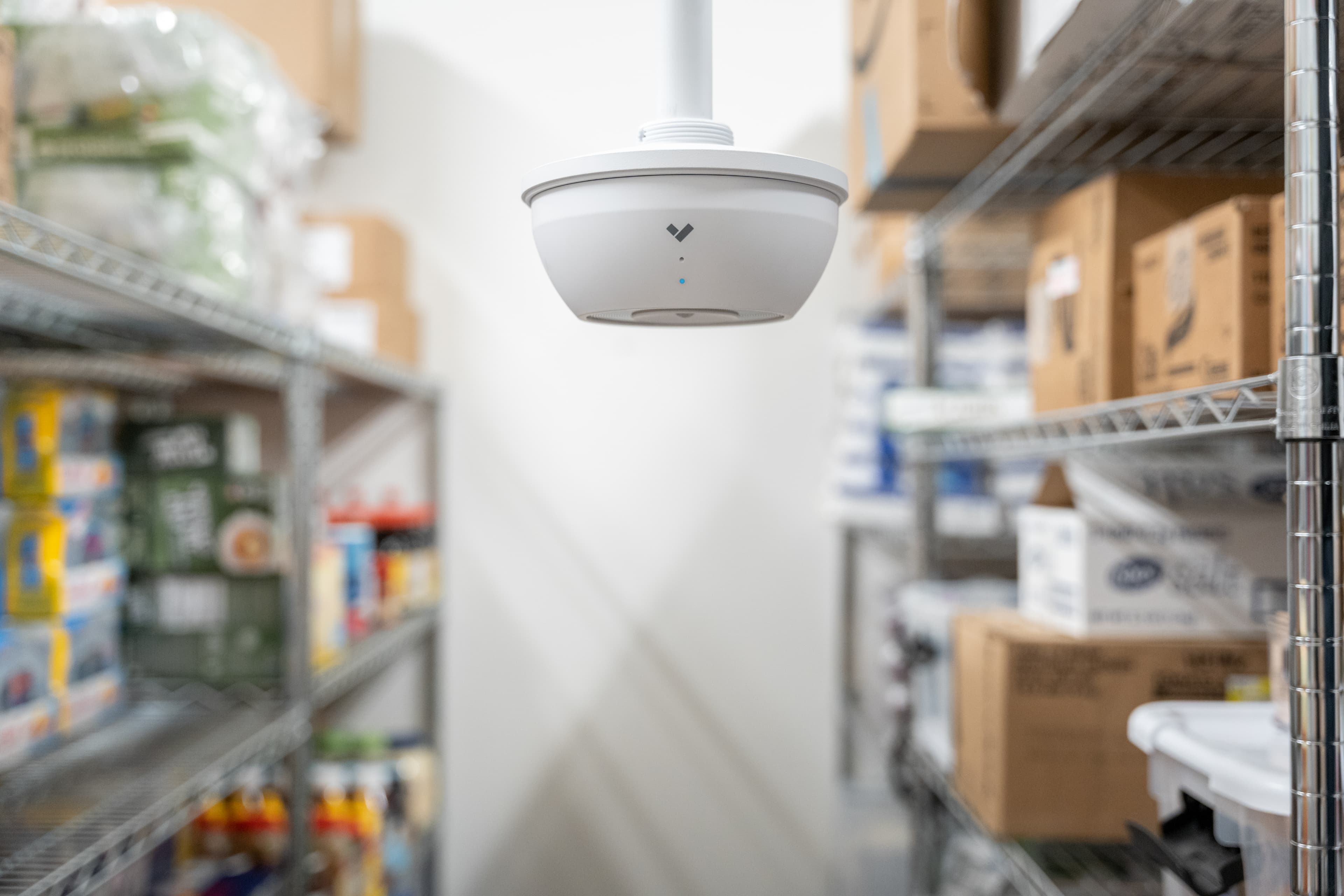
If these food stores aren’t monitored for things like moisture build-up and mold—especially during hot months—food services can face a potential health issue. Environmental sensors can also help staff maintain optimal temperatures in refrigerators and freezers to maximize freshness while voiding the cost of spoilage.
Protect Critical Infrastructure
Managing an HVAC system at scale can be time consuming and prone to human error. Environmental sensors can monitor values like PM 2.5 and air quality index (AQI), two strong indicators of an HVAC system’s overall health. Often, these readings help alert staff to the need for maintenance, new filters, and upgrades.
Monitor Server Rooms
Many organizations make the mistake of only implementing access control for their server rooms. While this can be an effective measure against unlawful or unauthorized entry, access control doesn’t protect servers and IT infrastructure against what’s going on inside the server room.
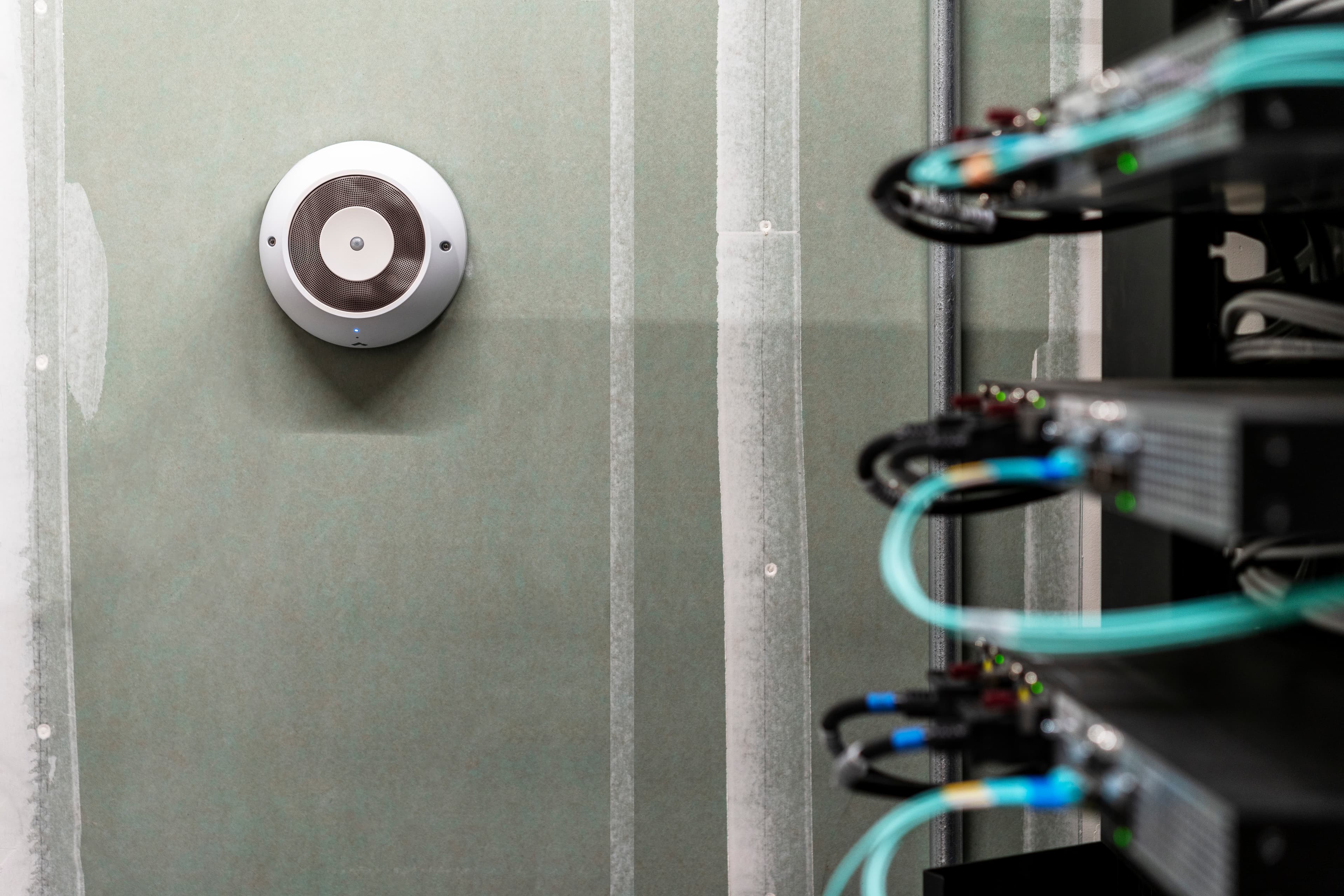
Temperature, humidity, and air quality can all affect—and potentially disrupt—the operation of servers. For example, even a small deviation outside the recommended server room temperature (71º) can cause downtime, outages, and the loss of data or hardware.
Beyond Environmental Monitoring: It’s Time to Invest in an Integrated System
Verkada’s air quality sensors integrate visitor management, video security, access control, and alarms. And it brings all of this monitoring into central dashboards replete with customizable alert triggers. For the staff members whose job it is to monitor campuses and keep students and staff members safe, integrated environmental sensors have become indispensable tools.


