
Check Point Software Technologies has spent more than 30 years helping organizations secure the digital world. Founded in 1993, the company is a global cybersecurity leader, protecting more than 100,000 organizations with solutions designed to defend enterprises, governments, clouds, networks, and workforces from increasingly sophisticated cyber threats.
For a company built on trust, security does not stop at the network edge. It extends into every office, lab, server room, access point, and physical system that touches employees, data, and operations.
That is why Check Point approached physical security differently. Cameras, access control, mobile credentials, video data, cloud platforms, APIs, and logs were part of the broader security chain. Check Point evaluated Verkada through that lens: as a connected enterprise platform tied to identity, cloud, data, logs, and physical access across its workplace environment.

At a Glance
Cybersecurity-grade trust: Check Point evaluated Verkada through a rigorous cybersecurity lens, including architecture, cloud model, data protection, identity and access controls, logs, privacy, vulnerability response, documentation review, and technical validation.
Modernized global physical security: Verkada helped Check Point move from fragmented and difficult-to-manage systems toward a centralized, cloud-managed physical security platform.
Stronger visibility and response: Security teams can see what is happening across offices, sensitive spaces, and access events, with alerts and video context to support faster response.
Global Control Room enablement: Verkada supports Check Point’s Global Control Room vision by helping turn alerts into actionable response workflows.
Faster, AI-powered investigations: Verkada helps security teams search footage faster, surface relevant events, and respond with more context — while responsible-use safeguards support privacy, governance, and trust.
Workplace intelligence: Check Point built internal dashboards using Verkada access data combined with HR and real estate data to better understand office utilization.
Real estate planning: Teams can compare office size, workstations, assigned employees, attendance patterns, and peak usage to make more informed workplace decisions.
Modern employee access: Verkada supported Check Point’s push for Apple NFC/mobile credentials and a more employee-friendly access experience.
Operational efficiency: Alerts with video context help security teams reduce manual monitoring and focus on real response.
Physical Security as Part of the Cybersecurity Posture
As physical security systems become more connected, cloud-managed, and software-driven, they increasingly touch the same risk environment as other enterprise technology platforms. Access control systems connect to identity. Cameras generate sensitive video data. Mobile credentials change how employees enter the workplace. Logs can become important security signals. APIs can feed internal dashboards and response workflows.
For Check Point, that convergence meant Verkada had to be evaluated with the same rigor as any other critical enterprise platform.
Before moving forward with Verkada, Check Point evaluated the platform through a cybersecurity lens. The review included architecture, cloud design, data storage, encryption, identity and access management, administrative access, audit logs, privacy, PII, vulnerability response, customer notification, and compliance requirements.
Check Point also reviewed Verkada’s security documentation, including materials like SOC 2, and performed its own technical validation, including penetration testing and red-team-style simulations. The goal was to pressure-test the platform and confirm it met the level of assurance Check Point requires.
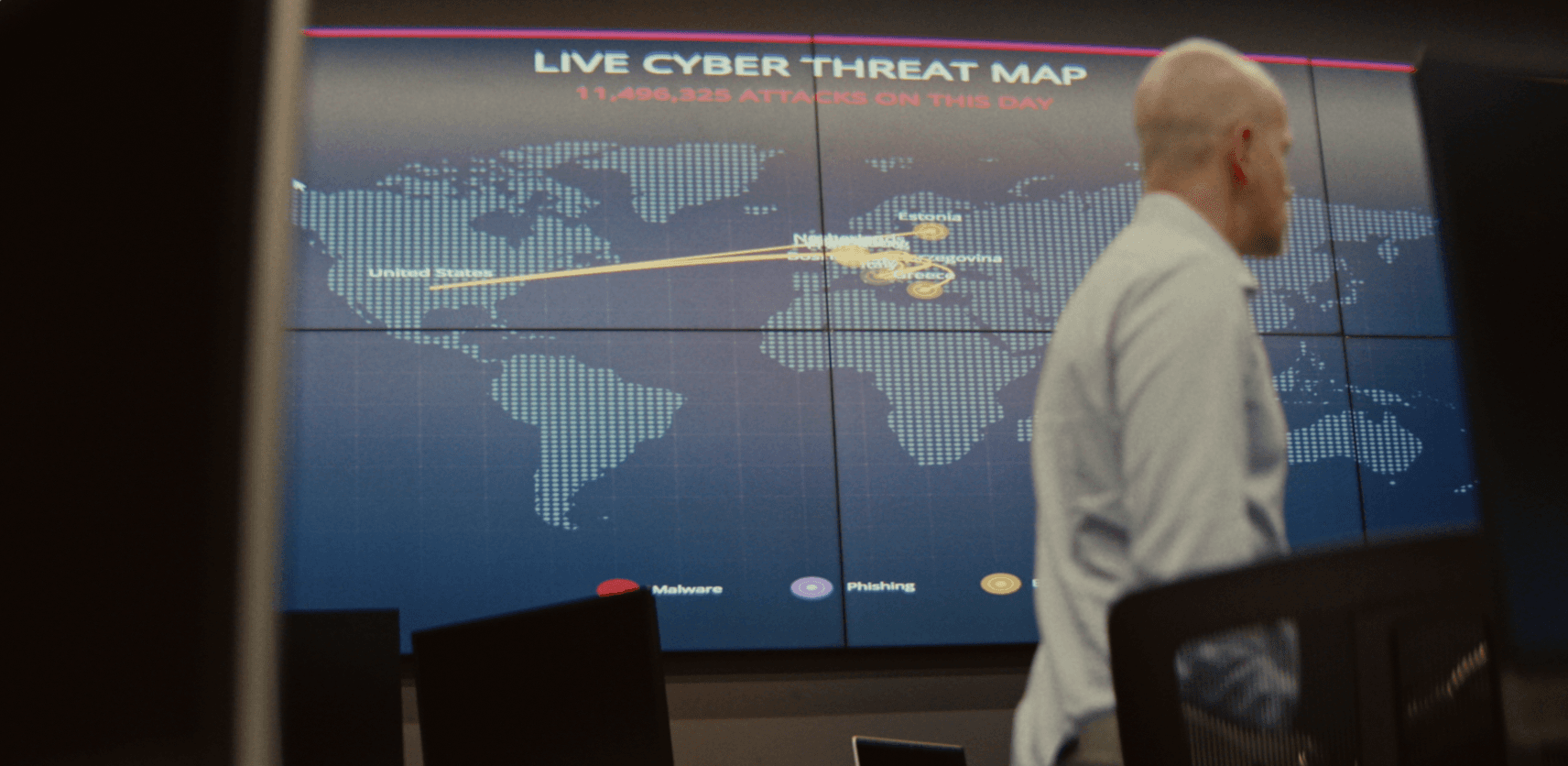
“Verkada was not evaluated only as a physical security tool. It was evaluated as a technology platform connected to our offices, employees, video data, access events, cloud environment, and security operations. For a cybersecurity company, those systems are part of the broader security chain.”
— Jony Fischbein, CISO, Check Point
Moving From Fragmented Systems to Global Visibility
Before Verkada, Check Point’s physical security environment was difficult to manage consistently across global offices. Some systems were on-premises, expensive, and hard to operate across regions. There were also cybersecurity constraints: Check Point could not simply give outside vendors access to internal servers or networks.
In one office, a door issue made the risk especially clear. A door that was not properly controlled created the possibility that anyone could enter the office from the street. For a cybersecurity company with sensitive workspaces, R&D environments, server rooms, and intellectual property to protect, that kind of physical access gap had broader implications.
Check Point needed a way to centralize visibility, manage access, investigate incidents, and protect sensitive spaces without introducing new cyber risk.
Verkada helped Check Point move toward a modern, cloud-managed approach — connecting video, access control, alerts, and logs in a single platform. Security teams can review footage remotely, receive real-time alerts, investigate incidents faster, and manage response across offices with better context.
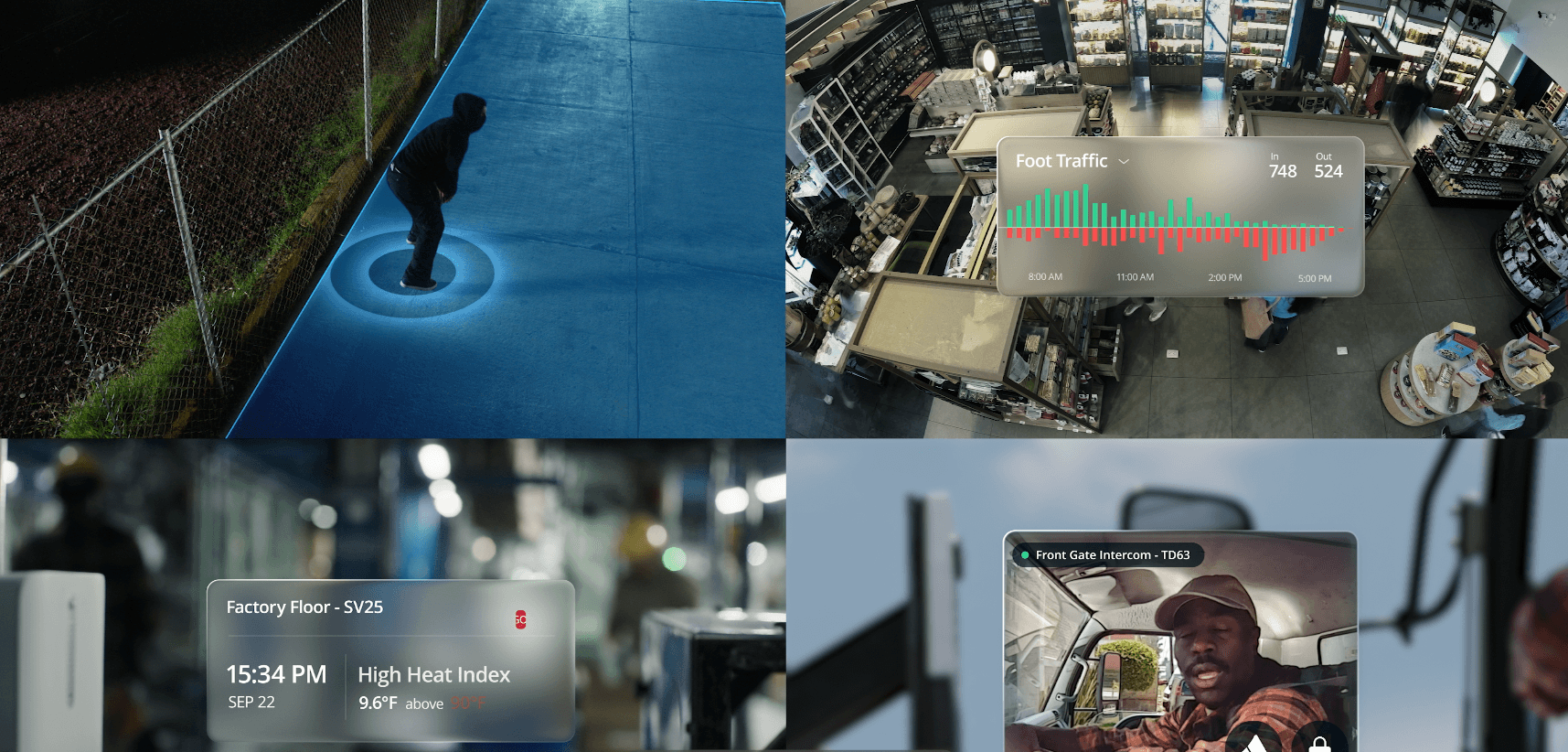
“Before Verkada, our environment was fragmented. We needed a way to centralize visibility, manage access, investigate incidents, and protect sensitive spaces without creating new cyber risk.”
— Ronen Fleischman, Security Manager, Check Point
Zero Trust Principles for Physical Access
Check Point’s cybersecurity philosophy is rooted in rigorous validation, risk reduction, and layered protection. That mindset also applies to physical access.
In a modern workplace, the question is not only whether someone has a badge. It is whether the right person has the right level of access at the right time — and whether there is an audit trail to support investigation if something looks wrong.
With Verkada, Check Point can apply familiar security principles to physical access: valid credentials, SSO, MFA where appropriate, least-privilege permissions, and logs that help teams understand what happened.
Those logs can also support broader security investigations. For example, if digital activity appears in one country while a physical access event appears in another, that access event can become a valuable signal. By correlating physical access with cyber context, teams can move from manual investigation to faster, more informed response.
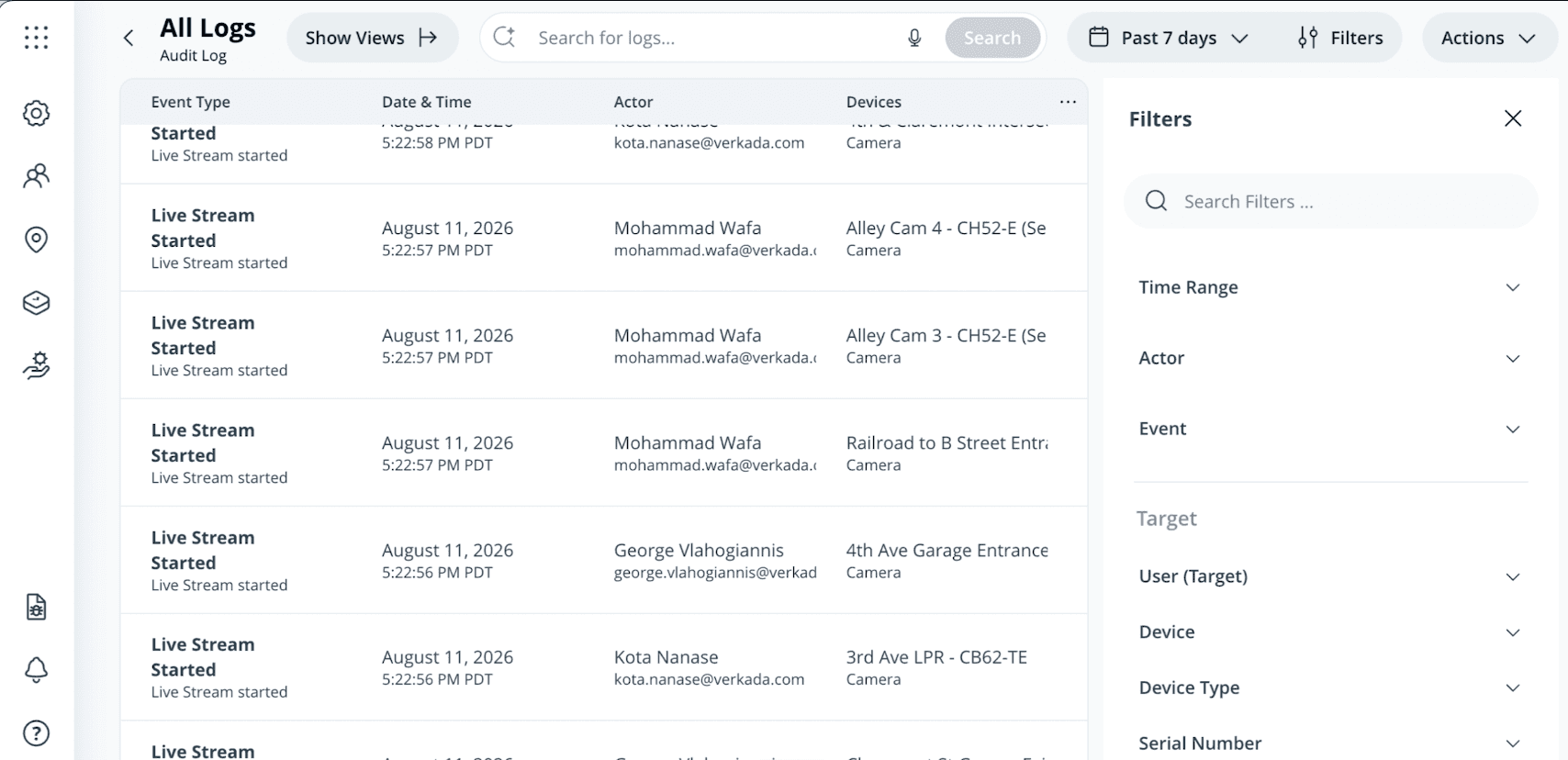
“With Verkada, physical access follows the same principles: valid credentials, SSO, MFA where appropriate, least-privilege access, and logs that can support investigation. Physical access becomes part of the same trust-but-verify model we apply across our environment.”
— Jony Fischbein, CISO, Check Point
Building Toward a Global Control Room
For Check Point’s security team, one of the biggest opportunities with Verkada is the ability to support a Global Control Room model.
The vision is simple: if an alert comes from any office in its fast-growing global footprint, the person receiving the alert should know what happened, where it happened, what context matters, and what action to take. It requires video context, access event data, location information, and response instructions that can guide teams in real time.
Verkada gives Check Point the visibility and event data needed to build that model. Alerts for forced entry, doors held open, emergency doors opening, after-hours access to server rooms, and attempted access to restricted areas can be surfaced with the video context needed to respond quickly.
For sensitive areas like R&D spaces, labs, service rooms, and server rooms, this visibility is especially important. These spaces are not only physical environments; they are connected to Check Point’s intellectual property, customer trust, and overall security posture.

“The goal is not just to know that something happened. The goal is to know what happened, where it happened, who needs to respond, what steps they should take, and whether leadership needs to be involved. Verkada gives us the visibility, alerts, and context to build that model.”
— Ronen Fleischman, Security Manager, Check Point
Faster Investigations With Video, Access Events, and Person of Interest Alerts
The impact of connected video and access control became clear during a repeat-offender incident.
An individual tailgated into one of Check Point’s offices and moved through the building looking for personal belongings. After the first incident, the team used Verkada video to understand where the person had gone and what happened. They then prepared their team in case he returned.
When the same person came back, Verkada’s Person of Interest alerts helped the team identify him right away and respond much faster.
Before Verkada, that kind of investigation would have been slower and less certain. Security teams may have needed to search across systems or work with limited visibility. With Verkada, video, access events, and alerts are easier to use together, helping the team understand what happened and respond with more confidence.
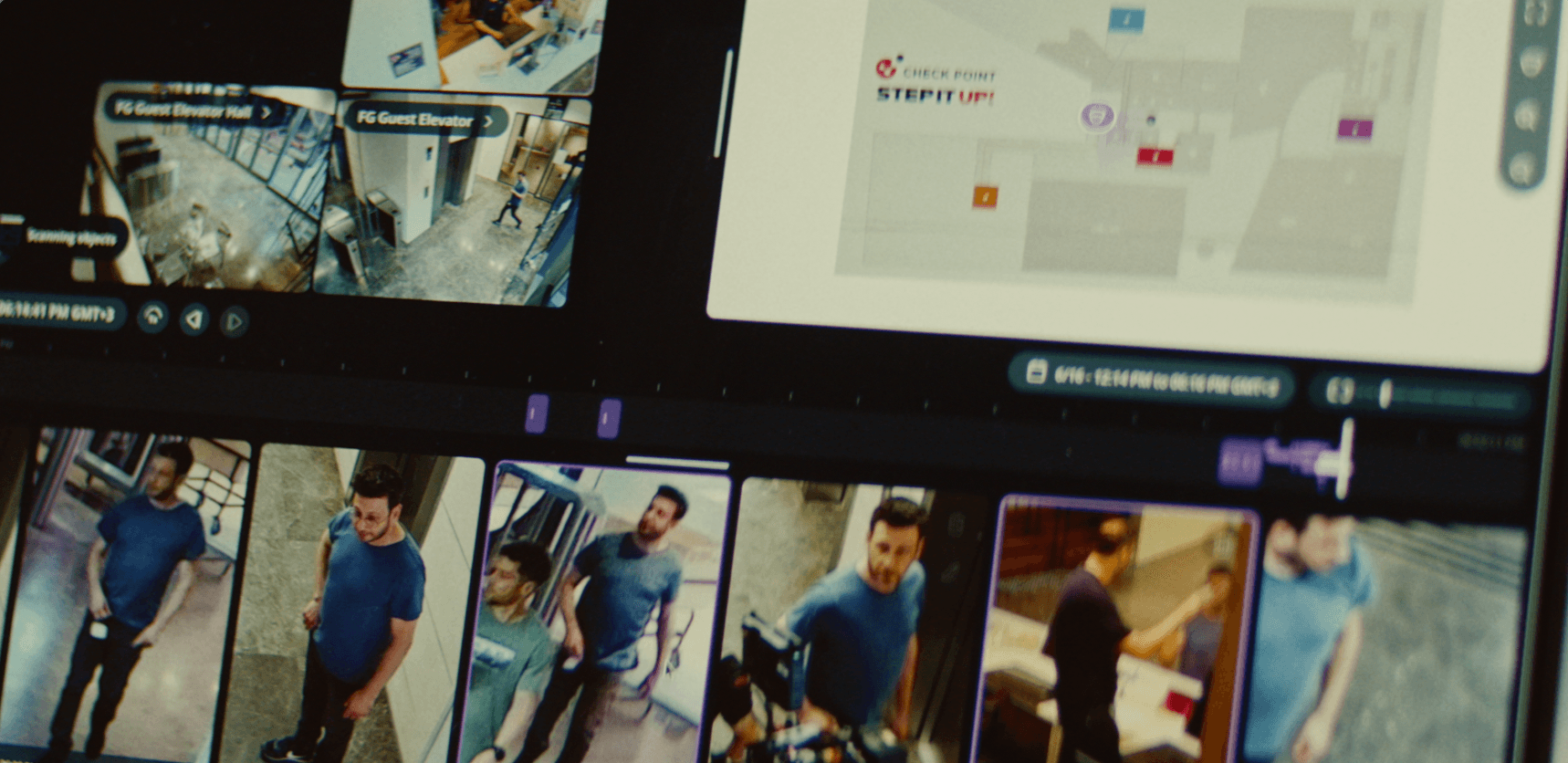
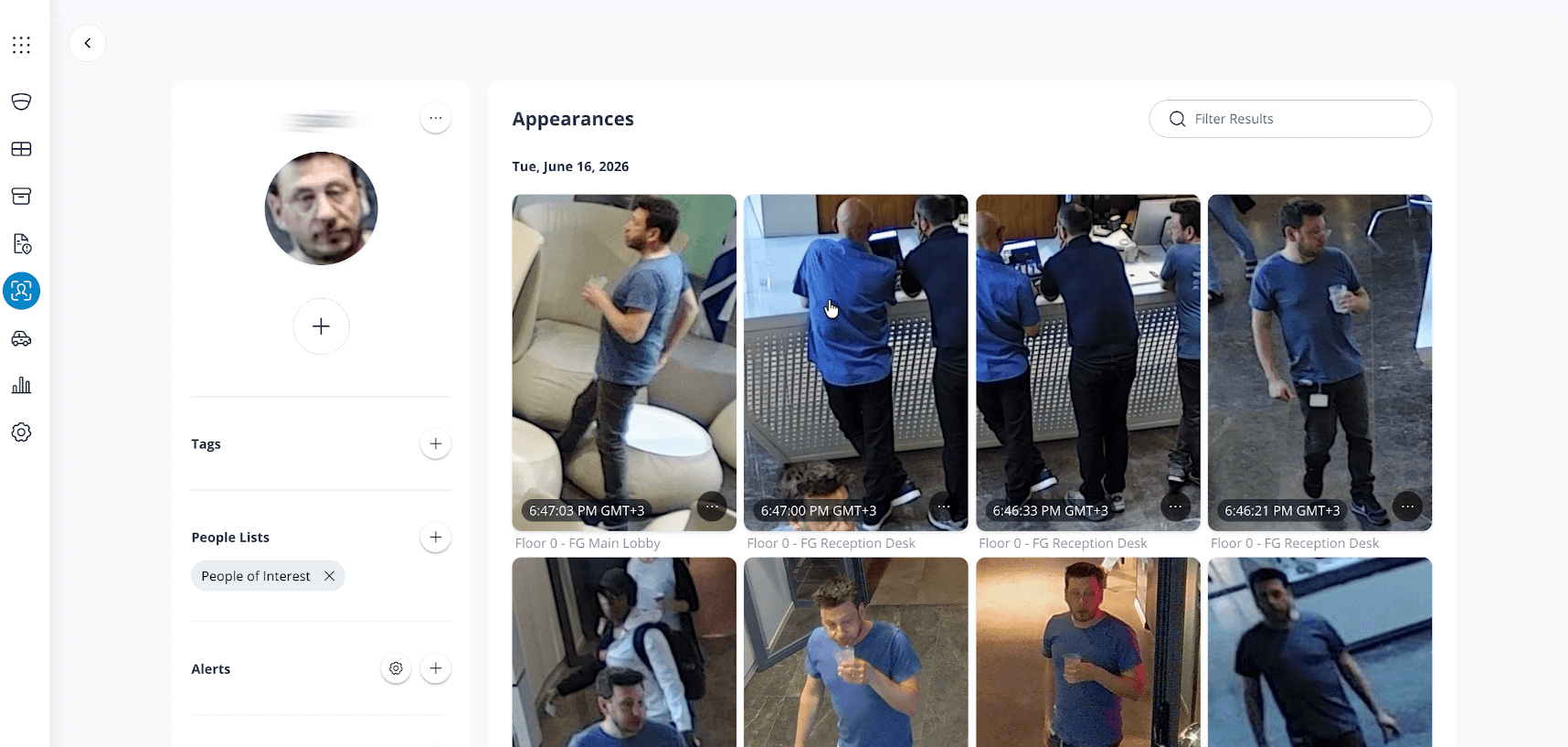
“Someone tailgated into one of our offices and moved through the building looking for personal belongings. With Verkada, we were able to review the footage, understand exactly where he went, and prepare our team in case he returned. When he did come back, our Person of Interest alerts helped us identify him right away and respond much faster.”
— Ronen Fleischman, Security Manager, Check Point
Turning Access Data Into Real Estate Intelligence
While cybersecurity and physical security were central to the project, Verkada also created value for Check Point’s real estate team.
Check Point manages a fast-growing global office footprint, and understanding how those offices are actually used is critical for workplace planning. From a real estate perspective, the team needed to understand office size, workstation counts, assigned employees, average attendance, peak days, and usage trends over time.
Raw badge data alone was not enough. One person might badge in multiple times a day, leave for lunch and return, or hold the door for someone else. That meant door events did not always reflect true office attendance.
Working with Copera, a Verkada Diamond Plus Partner, Check Point developed customized occupancy dashboards that combine Verkada access control events with real estate and HR data. Copera collaborated closely with Verkada to integrate the necessary data into Check Point’s existing platform and tailor the dashboards to the real estate team’s requirements.
The dashboards help the team remove duplicate badge events, focus on actual employee attendance, account for non-working days, and get a clearer picture of how its offices are being used.
For example, an office might have a certain number of assigned employees and workstations, but actual attendance patterns may vary significantly by day. By comparing assigned employees, workstations, square footage, average attendance, and peak usage, Check Point can make more informed decisions about office size, workplace investments, and employee experience.
“Verkada helps us move from assumptions to data. Instead of saying, ‘This office feels full,’ we can compare office size, workstation count, assigned employees, and actual attendance patterns across locations.”
— Oshi Nidam, Director of Global Real Estate & Business Travel, Check Point
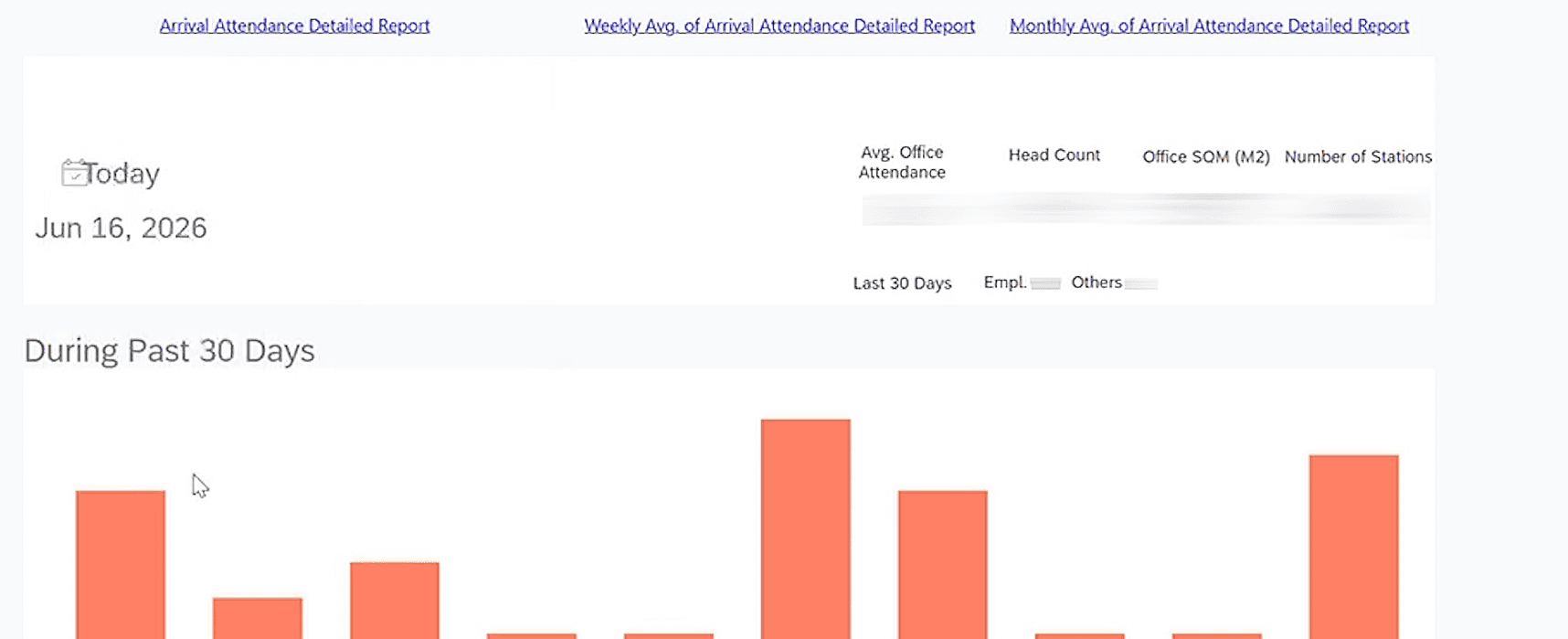
“We collaborated closely with Verkada to integrate critical data into Oshi’s existing platform and build a customized occupancy dashboard.”
— Dubi Shoshan, CEO, Copera Inc., Verkada Diamond Plus Partner
Secure, Governed APIs for Custom Dashboards and Workflows
The dashboard work also highlights another important part of Verkada’s value: its extensibility and partner ecosystem.
Verkada APIs gave Check Point and Copera a secure, governed way to bring approved access, occupancy, and event data into Check Point’s internal dashboards and reporting workflows. That allows physical security data to support decision-making across real estate, operations, and security teams.
For Check Point, Verkada is not just a platform for physical security. It is also a source of operational intelligence. Access data helps the real estate team understand workplace utilization, event data helps security teams support alerts and response workflows, and connected insights help leadership make better decisions about where to invest resources, when to resize spaces, and how to create a better employee experience.

“With Verkada APIs and approved access data, we can bring physical security insights into the systems our teams already use for real estate, operations, and planning. That flexibility is a major part of the value.”
— Oshi Nidam, Director of Global Real Estate & Business Travel, Check Point
A Modern Access Experience With Apple NFC
Check Point also worked closely with Verkada to help refine a more modern, employee-friendly access experience.
The team wanted stronger security and better data, but not at the expense of employee experience. Physical access is something employees interact with every day. If the system is slower or less convenient than a badge, adoption becomes harder.
Mobile credentials became an important part of the vision. Employees already use phones and watches throughout the day, so bringing access into that experience made sense. But for Check Point, convenience was not enough. The solution also needed to align with its security expectations and scale across the workplace.
As Verkada developed its Apple NFC/mobile credential experience, Check Point provided valuable feedback that helped influence, test, and refine the experience. Verkada worked closely with the team, listening to its requirements and iterating quickly based on real-world feedback.
Today, employees can use their phones or Apple Watch to badge into offices, while administrators can manage mobile credentials centrally in Verkada Command. The result is a more modern access experience that reduces reliance on physical badges without compromising Check Point’s expectations for security, usability, and scale.

“Verkada was willing to act like a partner, not just a vendor. We had specific requirements for a modern mobile credential experience that would strengthen security while preserving a seamless employee experience. The team listened to our feedback, tested with us, and continued refining the experience.”
— Oshi Nidam, Director of Global Real Estate & Business Travel, Check Point
Smarter Operations and Guard Efficiency
Verkada is also helping Check Point rethink how security teams operate. Rather than relying only on manual monitoring or treating every alarm the same way, Check Point can surface relevant alerts with video context. When an alarm occurs, the right person can receive a notification, see where the alert came from, view relevant video, and understand what action to take.
That helps reduce false-alarm fatigue and allows guards and security teams to focus on real response — not just watching screens or reacting blindly.
For a global company, this creates a more consistent and efficient response model. With the right alerts, context, and playbooks, a centralized team can support security operations across many offices while helping local teams respond faster and with more confidence.
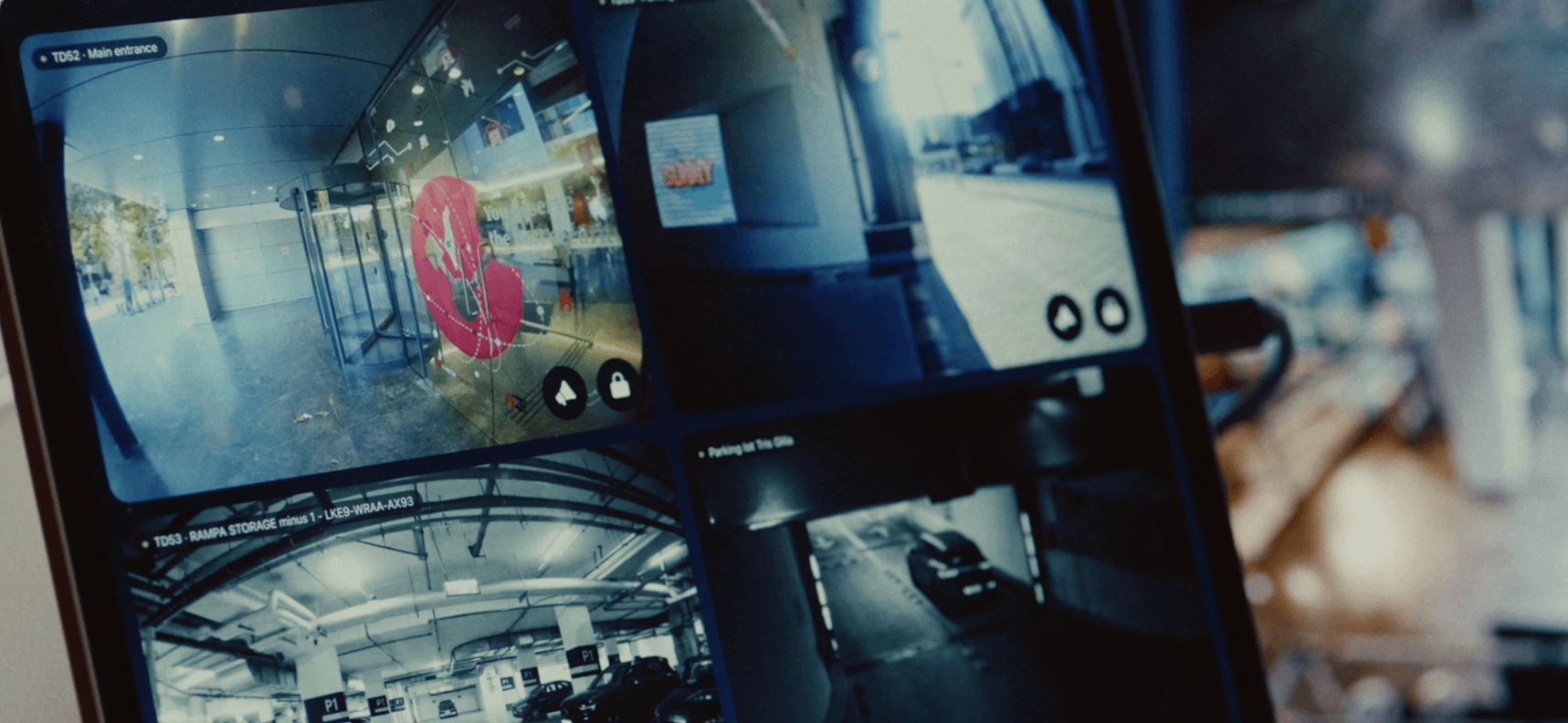
“Instead of relying on guards to manually watch screens or treat every alarm the same way, Verkada helps surface the events that actually need attention. It allows guards and security teams to focus on real response, not just monitoring.”
— Oshi Nidam, Director of Global Real Estate & Business Travel, Check Point
Responsible AI for Faster Investigations
AI is changing what security teams can do with physical security data. Instead of manually searching through hours of video, teams can find relevant context faster — a person, a vehicle, a movement pattern, or activity across a facility.
For Check Point, that speed matters because investigations often depend on getting to the right footage quickly. Verkada’s AI-powered search, alerts, and analytics help security teams focus on the moments that matter, understand what happened across a site, and respond with better context.
Verkada’s AI advantage comes from how the platform is built. Its cameras, firmware, and AI models are designed to work together, with processing at the edge and additional refinement in the cloud. For a global security team, that can mean searching in everyday language, finding relevant people or vehicles faster, following activity across a facility, and surfacing events that need response — without manually reviewing hours of footage.
Just as important, Verkada builds responsible-use controls into the experience. Check Point can control who has access to AI-powered search, use moderation to help reduce inappropriate or harmful searches, rely on documented limitations for how the technology should be used, and provide feedback when results are inaccurate or need review.
For Check Point, that balance matters. AI should help teams investigate faster, but it also needs to support privacy, governance, and trust.

“For a cybersecurity company, AI has to be used responsibly. It is not just about speed; it is about speed with guardrails. The goal is to help teams investigate faster while still protecting people, data, and trust.”
— Jony Fischbein, CISO, Check Point
A Trusted Platform for Modern Physical Security
For Check Point, Verkada’s value comes from the combination of cybersecurity-grade trust, operational visibility, product flexibility, and business insight.
The platform helps Check Point modernize physical security without losing sight of the broader security posture. It supports stronger access control, faster investigations, global visibility, mobile credentials, internal dashboards, and more efficient response workflows.
Most importantly, Verkada earned trust by engaging with Check Point’s level of scrutiny — from architecture and technical validation to privacy, compliance, logs, and evolving enterprise requirements.
For other security-conscious organizations, the lesson is clear: physical security is no longer separate from cybersecurity. It is part of the same security chain, and it should be evaluated with the same rigor.
“Check Point trusted Verkada because the platform met the level of scrutiny we expect for technology that touches our offices, people, data, and security operations — and because the team showed they could work with us as our requirements evolved.”
— Jony Fischbein, CISO, Check Point