
Key Stats
Reduced investigations from days or weeks to minutes
Centralised security management across 4 manufacturing sites
Reduced 5-year infrastructure costs by moving away from legacy on-premises servers
Expanded from video security into access control and visitor management
Background
Founded in 1973, Lawrence David is a UK-based manufacturer specialising in the end-to-end production, repair, and maintenance of trailers and rigid body trucks. Operating from its main factory in Peterborough, the company runs three production workshops spanning 161,000 square feet across four sites.
When Darren Challender joined Lawrence David in September 2020, he was initially brought on to address challenges with the organisation’s Enterprise Resource Planning (ERP) system. He quickly transitioned into the IT Director role, taking on responsibility for the company’s broader technology strategy.
Shortly after joining, Darren became involved in a security refresh project. Lawrence David’s existing CCTV infrastructure — an ageing, on-premises system — had reached the end of its useful life. Rather than pursue a like-for-like replacement, Darren saw an opportunity to modernise the company’s approach to physical security, so he issued a public tender on LinkedIn.
The Challenge
Lawrence David's legacy CCTV infrastructure had become a significant operational liability. The on-premise system was difficult to use, unreliable, and misaligned with the demands of a multi-site manufacturing environment. Across production workshops, yards, entrances, and contractor access points, security footage was essential not only for investigating incidents, but also for protecting employees, supporting site operations, and maintaining visibility across the estate. Yet Lawrence David’s previous system made that work slow and cumbersome.
Each of the company’s four sites operated its own standalone recorder, meaning there was no single view across the business. If an incident occurred at a remote location, retrieving footage often required someone to travel to that site in person — an approach that was neither practical nor scalable.
The camera hardware itself compounded these difficulties. Much of the equipment was decades old, and when incidents did occur, there was no guarantee that the relevant camera had captured what the team needed. As Darren recalled: “Nine times out of ten, the cameras were pointing the wrong way when something happened.” Investigations could stretch into days — or yield no usable footage at all.
The system also created unnecessary infrastructure overhead for IT. Maintaining physical servers, managing warranties, and keeping ageing hardware functional across multiple sites placed a recurring burden on Darren’s team. With Lawrence David’s broader technology strategy focused on reducing its on-premises server footprint, the legacy CCTV environment was increasingly difficult to justify — both operationally and financially.
Partnership with Tellivue
After posting his public request for tender on LinkedIn, Darren had already provisionally selected a different provider when a member of the Tellivue team got in touch.
Tellivue arranged a demo, walking Darren through Verkada's capabilities and making the case for a hybrid-cloud approach. The demo proved decisive — Darren withdrew his provisional selection and awarded the tender to Verkada, with Tellivue as the implementing partner.
For Darren, the appeal was not only better access to footage. Verkada offered a more modern, IT-friendly architecture that reduced on-premises infrastructure, improved cybersecurity, and gave Lawrence David a single platform to manage security across multiple sites.
From there, Tellivue managed the deployment end to end. The team conducted on-site assessments across Lawrence David's four locations, completing detailed walkthroughs of each facility to map camera positions, identify coverage requirements, and specify the right hardware for each environment.
Installation was carefully scheduled around Lawrence David's production operations, with Tellivue working across shifts and zoning the installation by building area to ensure no disruption to the manufacturing floor.
"It was a hassle-free process," Darren recalled. "The cameras were up, the licences were allocated, and then we were online."
The Solution
With Tellivue's support, Lawrence David rolled out Verkada's cloud-managed platform across all four sites, replacing a fragmented, multi-system estate with a single, unified interface.
What began as a CCTV replacement has since evolved into a broader physical security platform. Lawrence David now uses Verkada for video security and access control, with Verkada Guest rolling out across its main factory reception and gatehouse.
Video security
Lawrence David deployed a mix of internal and external cameras across its production facilities, yards, entrances, exits, and access points. External bullet cameras monitor yard activity and perimeter movement, while dome cameras provide coverage across manufacturing areas and internal spaces.
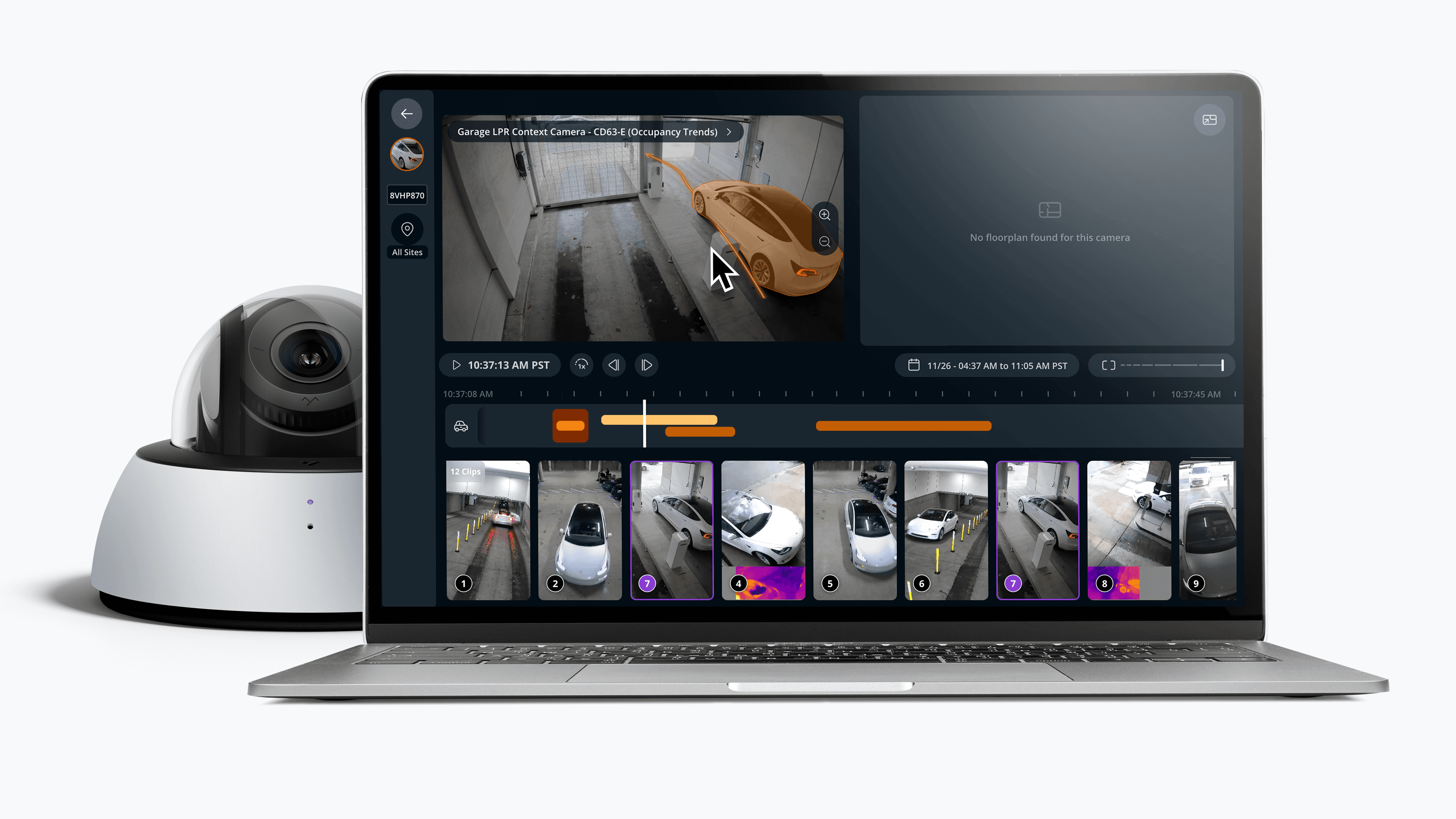
The result is more consistent visibility across the estate, with footage accessible from a browser or mobile device rather than tied to individual on-site recorders.
Access Control
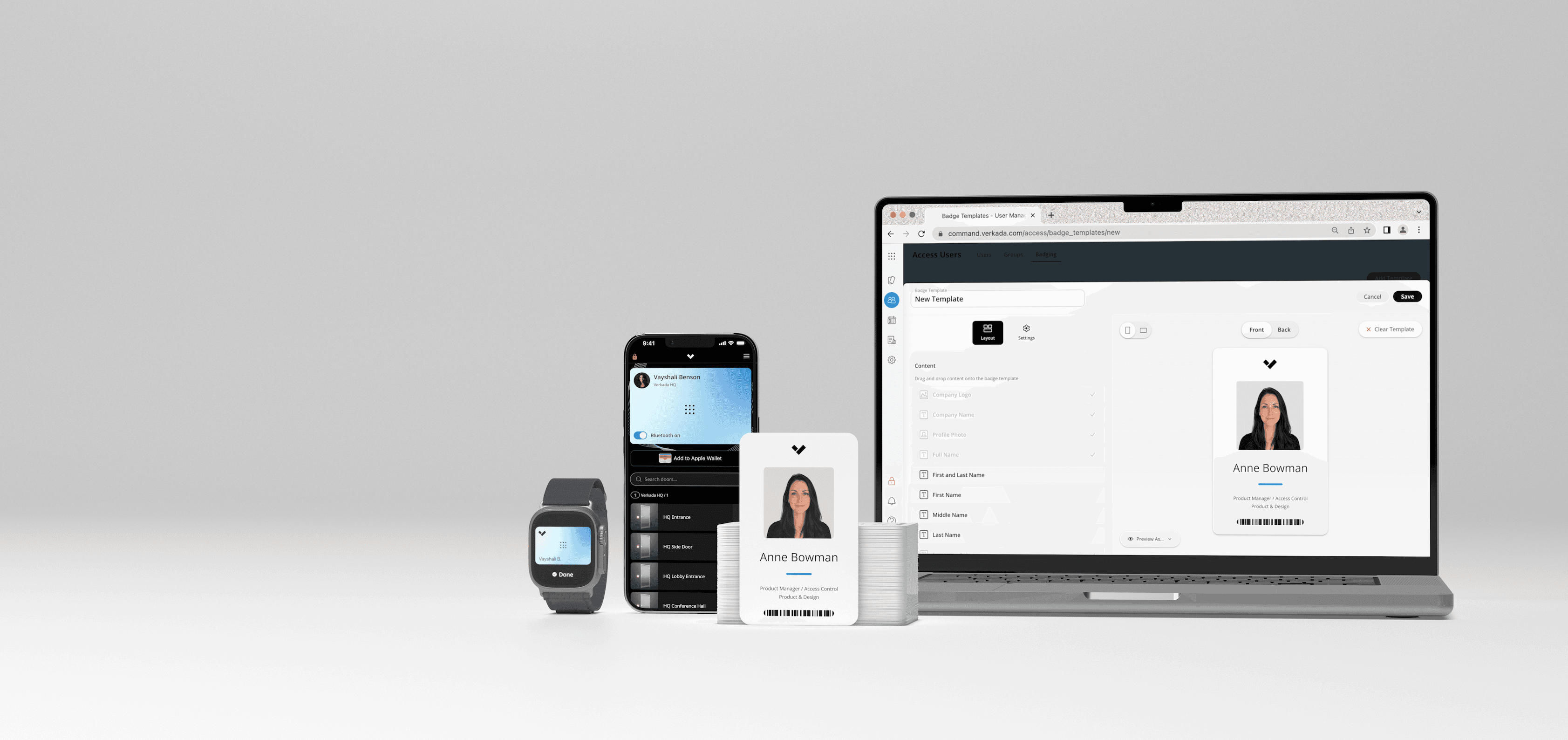
In 2023, Lawrence David expanded its Verkada deployment to include access control across its four sites. The system now covers internal factory access points, store areas, main entrances with intercom integration, and external gates.
Credentials are issued based on employee role and access needs. Office-based staff are provisioned through a link to Microsoft Entra, while Bluetooth unlock via smartphone or wearable is also available. Lawrence David has also integrated access control with its fire alarm infrastructure, enabling doors to unlock automatically in the event of an emergency.
Guest Management
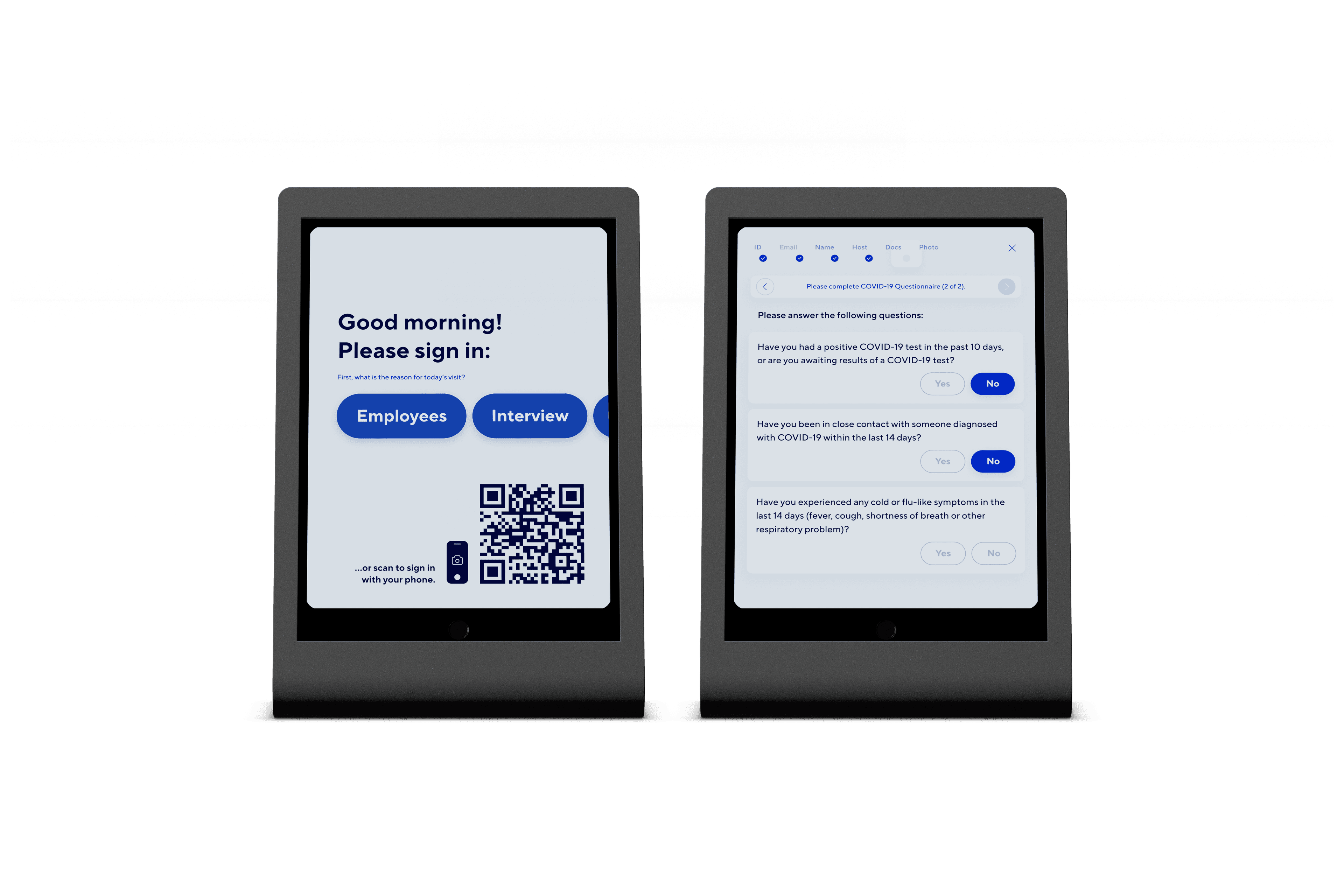
Lawrence David is currently deploying Verkada Guest across its main factory reception and gatehouse, replacing an existing visitor management app. The rollout will introduce pre-registration functionality for regular visitors, including customers and contractors, while connecting visitor workflows more closely with the camera and access control systems already in place.
The Benefits
Since deployment, Verkada has delivered measurable improvements across Lawrence David’s security operations, IT infrastructure, and day-to-day workflows. The platform now supports a wide range of teams — from IT and site security to HR, line managers, and operations.
While IT manages the platform architecture and settings, day-to-day usage extends across the business. Security teams can review and share footage, HR can access entry and exit reporting, and managers can use the platform to support attendance oversight and incident reviews.
Centralised, Multi-Site Management
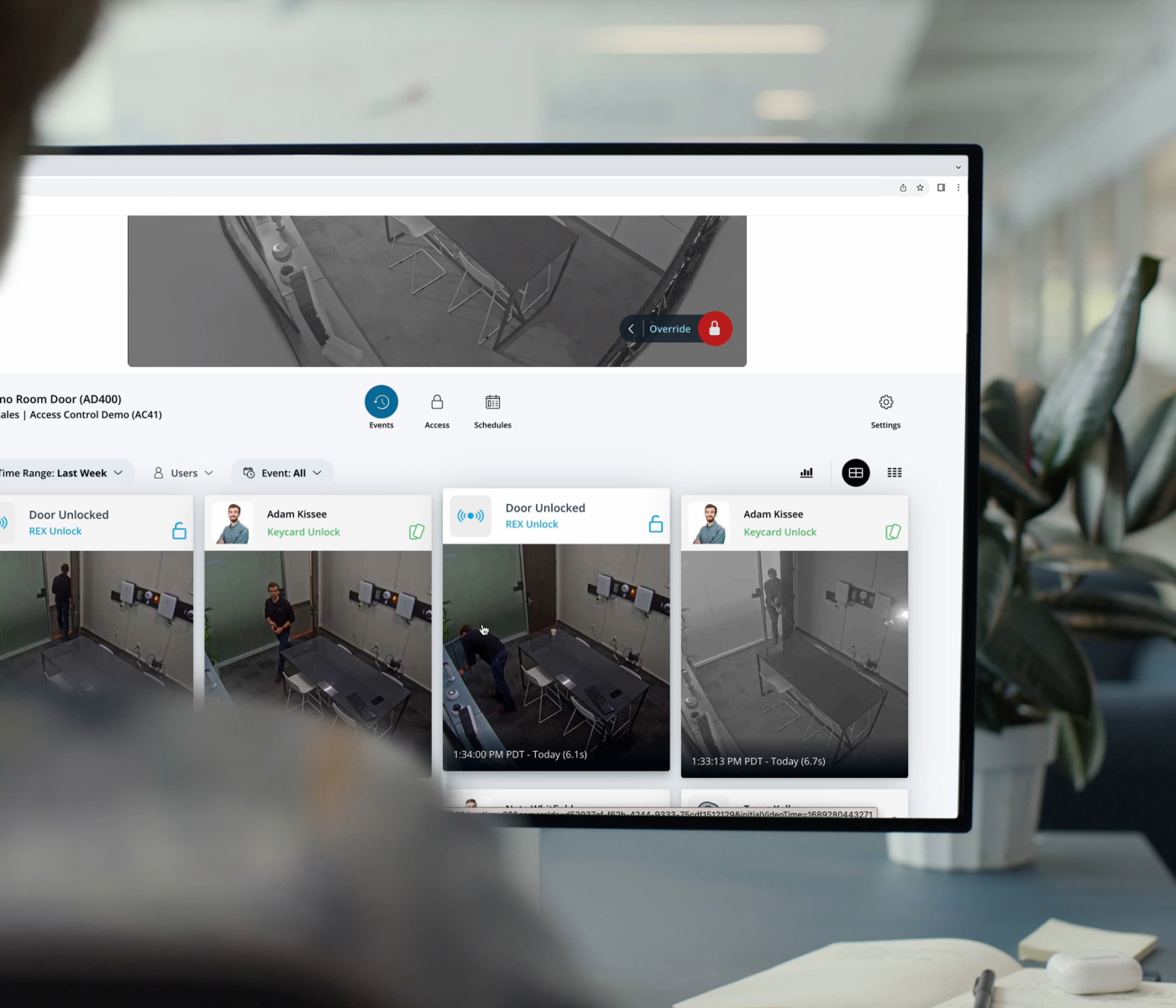
Before Verkada, Lawrence David’s four sites each operated separate recorders and systems. Today, authorised staff can manage cameras, door activity, system alerts, and footage from a single platform.
What once required physical access to a site can now be handled remotely from a browser or mobile device. For Darren and his team, that has significantly reduced the time spent managing separate systems and responding to site-specific requests.
Faster Investigations
Investigations that previously took days or weeks are now completed in a fraction of the time. Verkada’s AI-powered search allows Lawrence David to quickly locate relevant footage without manually scrubbing through hours of video.
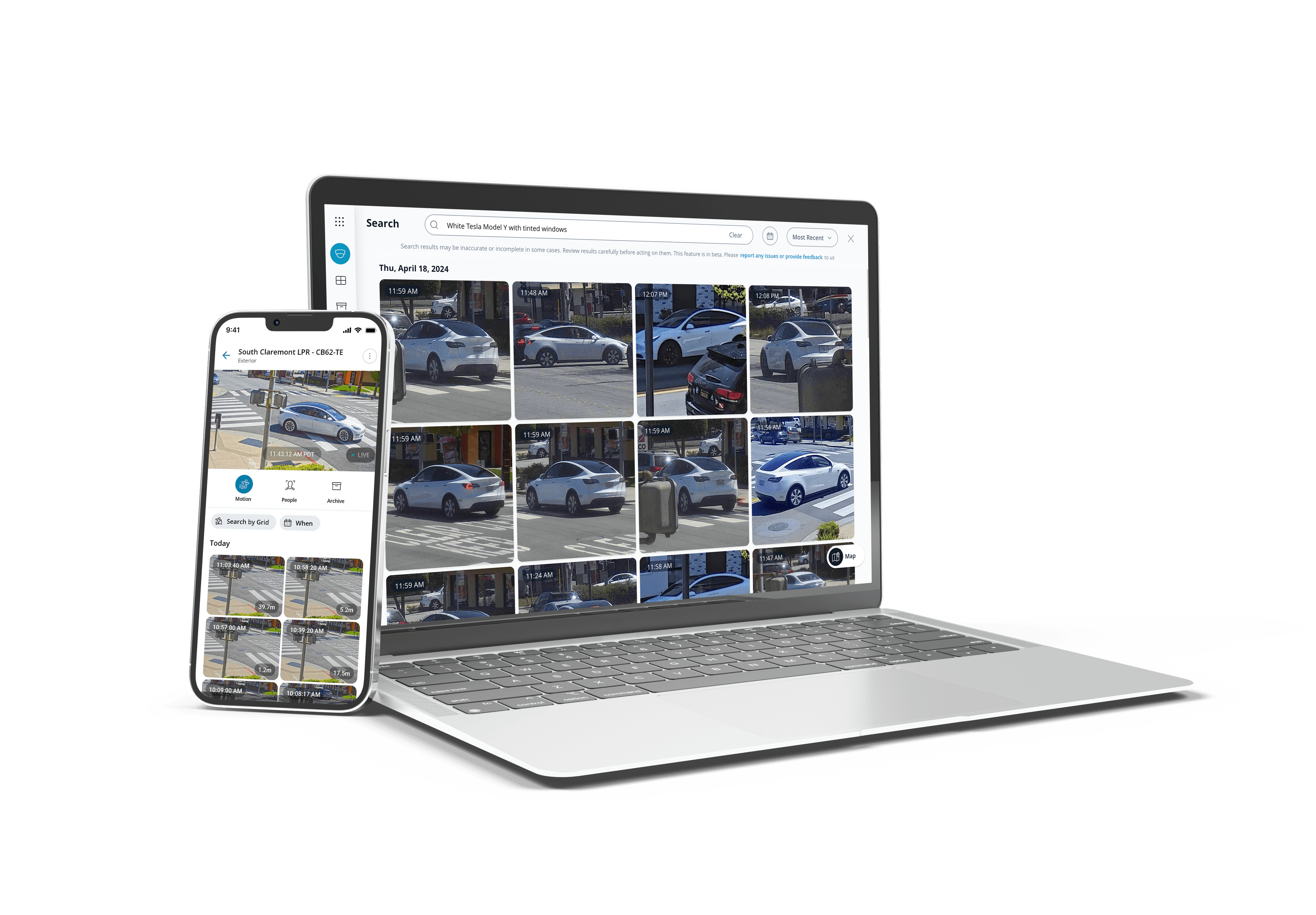
The platform has supported a range of real-world cases, including investigations into after-hours waste metal theft, law enforcement requests, workplace safety reviews, and claims-related evidence gathering. Instead of relying on disconnected recorders and uncertain camera coverage, teams can quickly find, review, clip, archive, and share the footage they need.
Proactive Site Security
Out-of-hours alerting has improved how Lawrence David responds to activity across its sites. Rather than discovering issues after the fact, the team can receive real-time notifications when unexpected activity is detected — whether that is movement around the perimeter, a potential security breach, or a fire alarm activation.
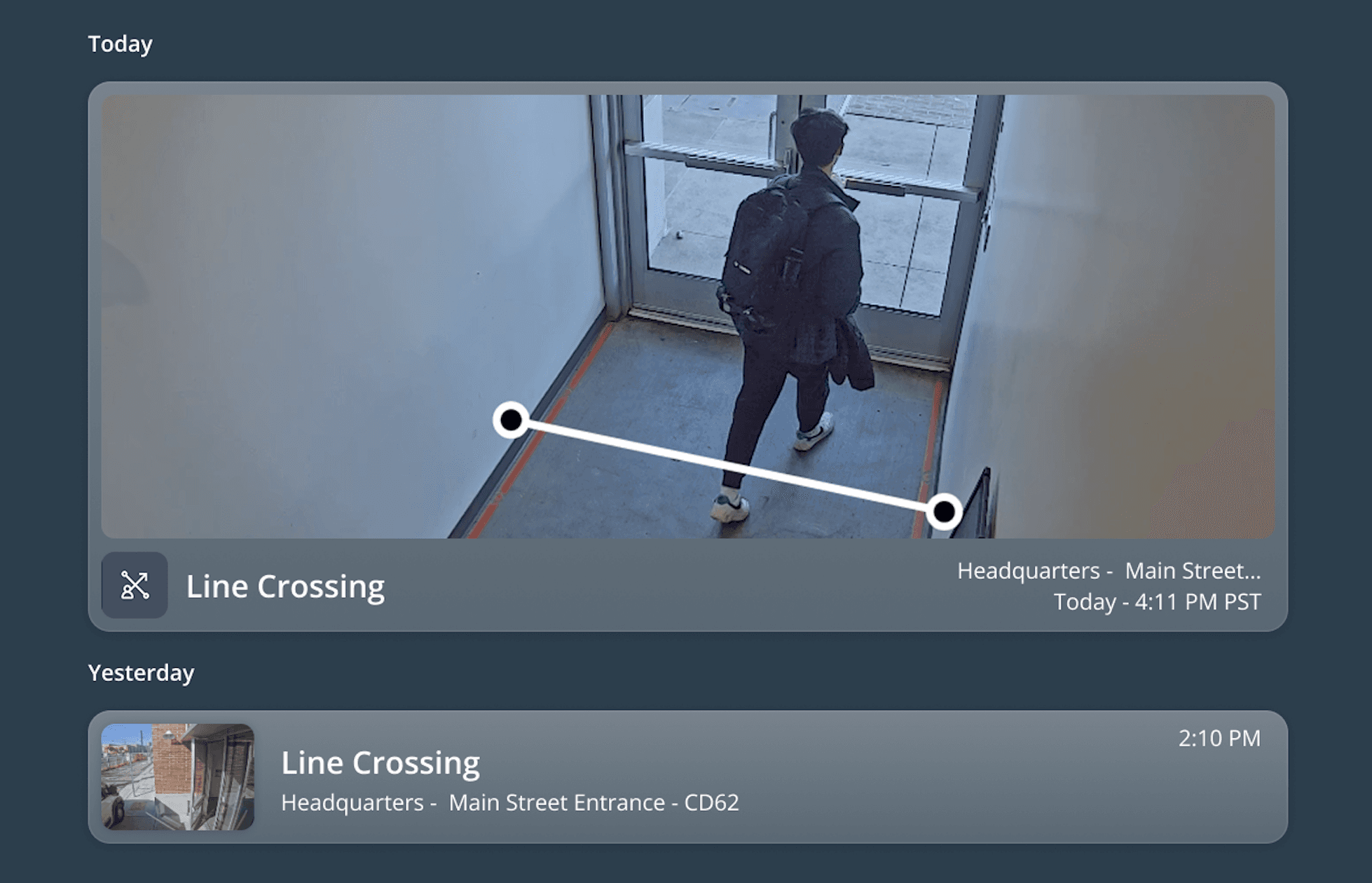
This shift has helped Lawrence David move from a reactive model of reviewing footage after an incident to a more proactive approach to monitoring and response.
Employee Safety and Accountability
Verkada has also become a useful tool for Lawrence David’s health and safety programme. AI-powered search helps the team review activity on the factory floor, including whether workers in certain areas are wearing the correct high-visibility clothing.
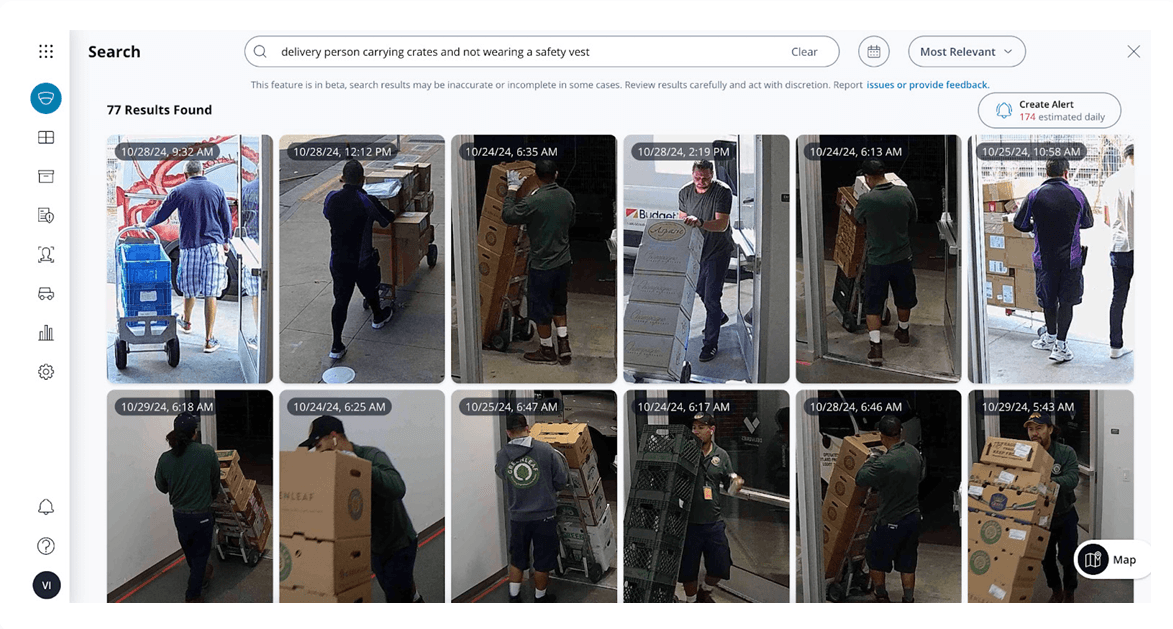
Footage has also supported employee accountability reviews and workplace safety investigations, including incidents involving unsafe forklift operation. In these cases, Verkada gives managers and safety teams clearer context around what happened, helping them respond with better information.
Operational Efficiency
Beyond its core security function, Lawrence David uses Verkada access control data to support time and attendance oversight for office-based staff. Rather than requiring employees to clock in and out through a separate process, HR and line managers can access automated entry and exit reports.
For a business managing multiple teams across multiple sites, this has created a more consistent way to understand attendance patterns without adding administrative overhead. Lawrence David plans to further improve this workflow by integrating Verkada’s access control data directly with its time and attendance system via API.
Reduced Infrastructure and Total Cost of Ownership
Deploying Verkada aligned directly with Lawrence David’s broader IT strategy to reduce its on-premises server footprint. By moving to a cloud-managed platform, the company reduced the recurring burden of maintaining physical servers, managing hardware warranties, and supporting ageing infrastructure across multiple sites.
For Darren, the impact is straightforward: fewer systems to maintain, fewer point solutions to manage, and a more predictable platform for scaling physical security over time.
Looking Ahead
Lawrence David’s Verkada deployment continues to evolve. With the Guest rollout underway, Darren’s near-term focus is on completing implementation across the main factory reception and gatehouse, then taking advantage of pre-registration and visitor management capabilities for customers, contractors, and repeat visitors.
Beyond Guest, deeper platform integration is the priority. Lawrence David plans to connect Verkada’s access control data directly with its time and attendance system via API, with the aim of building a more robust, automated reporting framework for HR and line management.
Further integrations across the company’s broader toolset are also on the roadmap, reflecting Darren’s longer-term ambition to use Verkada as a connective layer across Lawrence David’s operational systems.
For Darren, the measure of a good technology platform is simple: it should work reliably, stay out of the way, and be there when you need it. By that standard, Verkada has delivered.
“It’s one of those systems that, because it works for us, we tend to forget about it,” he said. “We only call upon it when we need to.”
In a busy manufacturing environment, that kind of quiet reliability may be the most meaningful endorsement of all.