
“For Wibra, our investment in Verkada represents a commitment to theft prevention and store optimization. Ultimately, we aim to improve the experience of shopping in our stores for customers, as well as better ensure the safety and happiness of our staff.”
— Mathijs Eijbaard, IT Manager, Wibra
Background
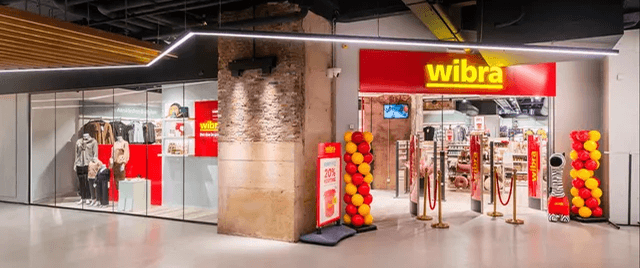
Wibra is a family-owned discount retailer with more than 350 stores across the Netherlands, Belgium, and France. As the company has expanded rapidly — roughly doubling its store footprint over the past two to three years — its approach to IT has evolved alongside the business.
Challenge
Historically, physical security was managed outside of IT, with camera systems selected on a more decentralized, store-by-store basis. Over time, that left Wibra with a mix of largely on-premise systems that were difficult to manage consistently across locations.
As responsibility for physical security shifted to IT, Wibra saw an opportunity to take a more strategic approach. The team wanted to move beyond a collection of standalone camera systems and establish a centrally managed platform that could scale with the retailer’s continued growth.
The project coincided with a broader modernization of Wibra’s IT infrastructure, including a new network rolled out across the business.
Solution
When Wibra began evaluating its next generation of store security, IT Manager Mathijs Eijbaard was already familiar with Verkada and had encountered the platform through other large organizations and the retail industry.
For Wibra, the appeal was the ability to bring security management across its stores into one cloud-managed platform while giving teams faster access to the footage they need during an investigation.
Verkada’s architecture also aligned with the direction Wibra was taking its broader IT environment: centrally managed, accessible remotely, and designed to scale across distributed locations without requiring traditional NVR or DVR infrastructure.
Wibra selected longtime IT partner Simac to support the rollout. With deep experience in retail and the Benelux region, Simac is helping Wibra deploy Verkada consistently as the retailer modernizes its stores.
Rather than replacing every existing camera system at once, Wibra is taking a phased approach. New locations can be brought onto Verkada, while existing stores can transition as older systems and contracts reach the end of their lifecycle.
The immediate priority is theft prevention and giving Wibra a more effective way to investigate incidents across its growing estate. At the same time, investing in modern security sends an important signal to employees and customers that Wibra is continuing to invest in safer, better-run stores.

Looking Ahead
For Wibra, video security is the starting point.
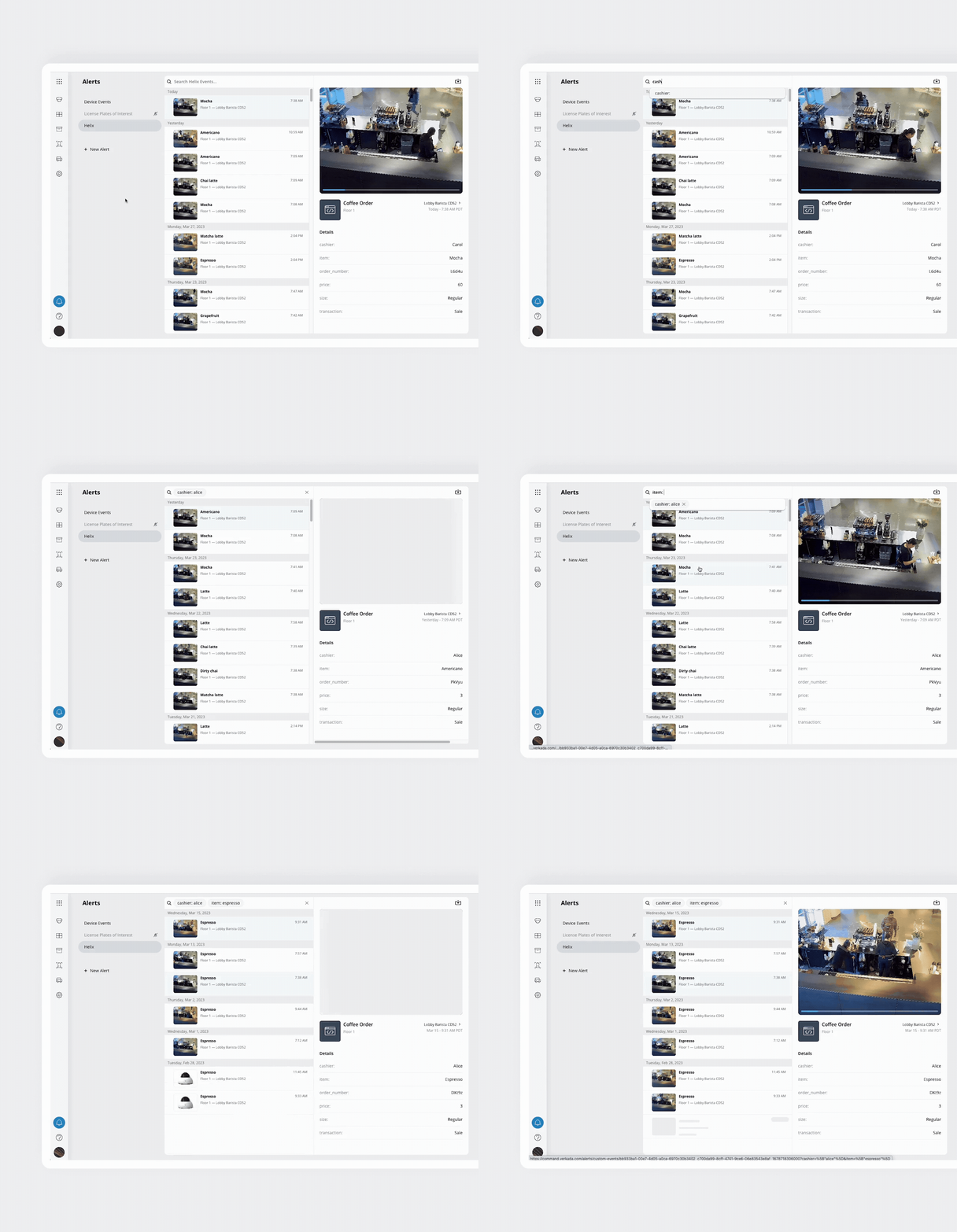
"The company is already exploring how Verkada can connect with our point-of-sale environment so teams can investigate transactions alongside the corresponding video. This could allow us to more quickly review events such as refunds, voids, discounts, or other unusual till activity as part of its loss-prevention workflows", says Martijn Otten, head of Wibra's Security, Loss Prevention and Compliance team. Verkada Helix is designed to connect third-party transaction data with video for this type of exception-based investigation.
Wibra is also beginning conversations about how video analytics could support the commercial side of the business. Capabilities such as occupancy trends and people heatmaps could eventually help teams better understand foot traffic, evaluate store layouts, identify peak periods, and inform decisions around staffing and sales conversion.
As more stores transition onto the platform, Wibra sees the potential for security technology to serve not only as a tool for protecting people and merchandise, but as another source of insight into how its stores operate.