

Bridging the Gap: How Government Agencies are Unifying Physical and Cyber Security
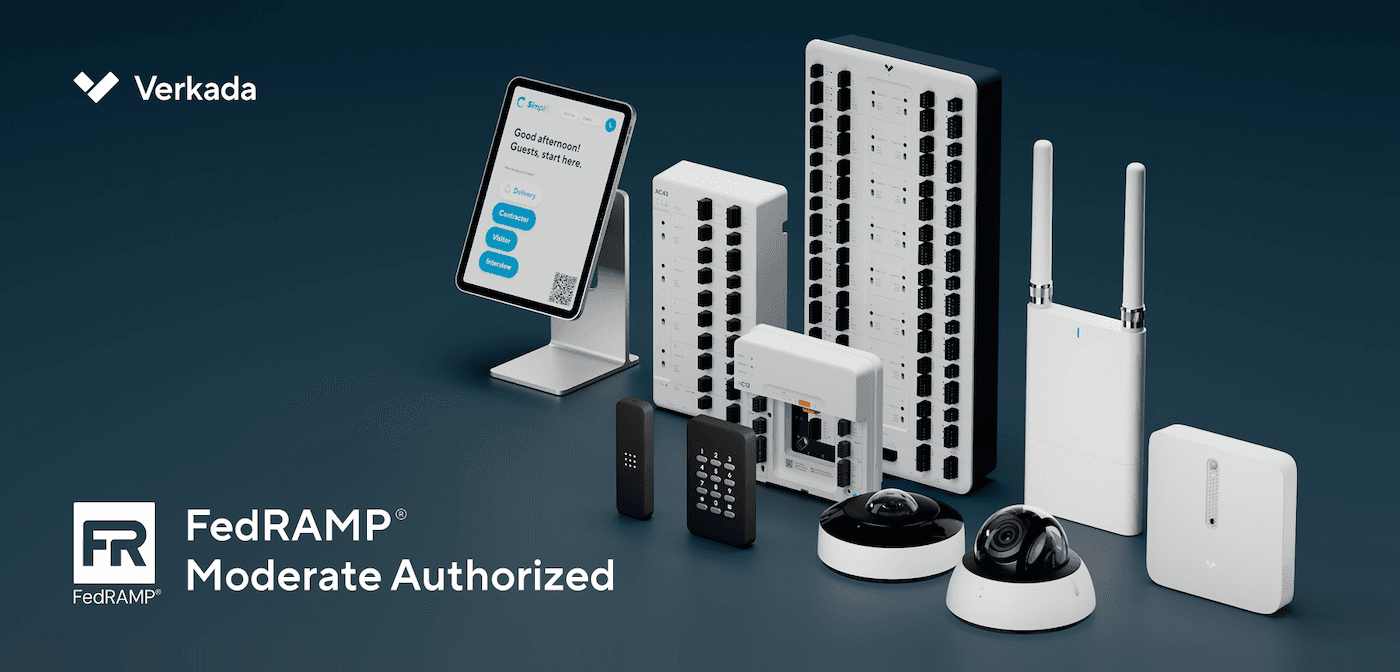
Government agencies at all levels – federal, state, local, tribal, territorial – are wrestling with ways to improve physical security through, and in collaboration with, cyber assets. This intersection of physical security and digital surveillance in government – often called cyber-physical security convergence – represents the merging of traditional facilities protection with digital IT and OT (operational technology) networks and AI tools.
By linking smart cameras, biometric access points, and IoT sensors, agencies can create unified threat detection that monitors real-world environments while compiling vast amounts of trackable, searchable data. Some cities and counties, for instance, have created real-time crime centers (RTCCs). Healthcare facilities, educational institutions, intelligence agencies, even social services agencies, also are exploring how to combine physical and cyber security.
Join us as thought leaders from government and industry discuss the convergence of these two fields, the challenges in integrating them, and the short- and long-term benefits of unified security that protects people, data, systems, and property.
Learning Objectives:
Identify the components of both physical and cyber systems used for facility access and security
Review tools that can work with these disparate elements to create a unified surveillance and security system
Outline ways that real-time crime centers have pioneered the use of data, including images, to anticipate, prevent, and solve criminal activities
Complimentary registration is available on FedInsider.com
Accreditation:
Participants can earn 1 CPE credit in Business Management & Organization.*
* To receive CPE credit you must arrive on time and participate in the surveys throughout the webinar. Certificates will be e-mailed to registrants. In accordance with the standards of the National Registry of CPE Sponsors, 50 minutes equals 1 CPE. By providing your contact information to us, you agree: (i) to receive promotional and/or news alerts from Federal News Network and our third party partners, (ii) that we may share your information with our third party partners who provide products and services that may be of interest to you and (iii) that you are not located within the European Economic Area.
Information you submit will be used in accordance with our Privacy Policy.
Government agencies at all levels – federal, state, local, tribal, territorial – are wrestling with ways to improve physical security through, and in collaboration with, cyber assets. This intersection of physical security and digital surveillance in government – often called cyber-physical security convergence – represents the merging of traditional facilities protection with digital IT and OT (operational technology) networks and AI tools.
By linking smart cameras, biometric access points, and IoT sensors, agencies can create unified threat detection that monitors real-world environments while compiling vast amounts of trackable, searchable data. Some cities and counties, for instance, have created real-time crime centers (RTCCs). Healthcare facilities, educational institutions, intelligence agencies, even social services agencies, also are exploring how to combine physical and cyber security.
Join us as thought leaders from government and industry discuss the convergence of these two fields, the challenges in integrating them, and the short- and long-term benefits of unified security that protects people, data, systems, and property.
Learning Objectives:
Identify the components of both physical and cyber systems used for facility access and security
Review tools that can work with these disparate elements to create a unified surveillance and security system
Outline ways that real-time crime centers have pioneered the use of data, including images, to anticipate, prevent, and solve criminal activities
Complimentary registration is available on FedInsider.com
Accreditation:
Participants can earn 1 CPE credit in Business Management & Organization.*
* To receive CPE credit you must arrive on time and participate in the surveys throughout the webinar. Certificates will be e-mailed to registrants. In accordance with the standards of the National Registry of CPE Sponsors, 50 minutes equals 1 CPE. By providing your contact information to us, you agree: (i) to receive promotional and/or news alerts from Federal News Network and our third party partners, (ii) that we may share your information with our third party partners who provide products and services that may be of interest to you and (iii) that you are not located within the European Economic Area.
Information you submit will be used in accordance with our Privacy Policy.